Trying to choose between a brand-new luxury build and the character of Edmond’s established, tree-lined neighborhoods? You are not alone. Many move-up buyers and relocating executives want space, amenities, and a smart long-term purchase. In this guide, you will compare lifestyle, maintenance, timing, and resale so you can pick the right path for your next Edmond luxury home. Let’s dive in.
Edmond luxury market at a glance
Edmond’s overall market sits well below typical luxury price points, with citywide medians in the mid to upper $300s as of early 2026. Luxury values vary by neighborhood, lot size, and amenities, so you should focus on community-level comps rather than city averages. Golf and gated enclaves often command premiums, while other high-end segments may have more supply at a given moment. For family buyers, school alignment within Edmond Public Schools is a frequent consideration. You can confirm current boundaries and resources on the district site at Edmond Public Schools.
What you get with new builds
Typical features and locations
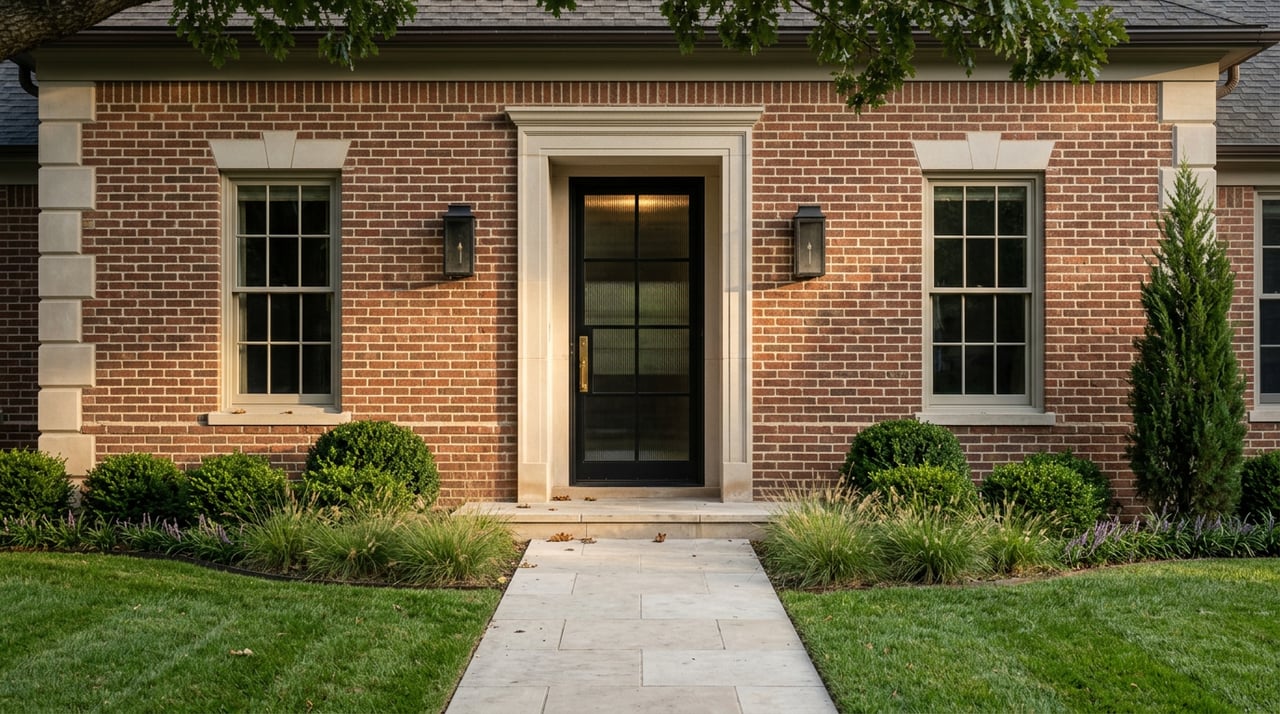
Luxury new construction in Edmond often includes open, indoor-outdoor living, chef-grade kitchens, smart-home integration, and energy-minded mechanicals. Builders in luxury enclaves commonly highlight insulation upgrades and appliance packages as a core value. For example, builder spec pages often showcase high-end kitchens and materials that reflect these priorities, as seen in the feature highlights from Huelskamp Homes.
Communities with new luxury product include custom or semi-custom sections within country-club environments and master-planned areas. Inside Oak Tree’s newer enclaves, for instance, recent closings have reached the upper tier of the Edmond market depending on lot and finish level. Expect premiums for golf-front positions, gated settings, and curated streetscapes.
Build timelines and warranties
Your timeline is critical. Production or spec homes often finish in about 6 to 12 months, while fully custom builds typically span about 10 to 18 months from design and permitting through final punch lists. Always plan for permitting and material lead-time contingencies. For a deeper look at typical schedules and process steps, review builder resources like Keel Custom Homes’ timeline overview.
Reputable builders usually offer tiered new-home coverage. Many describe a 1–2–10 structure, with workmanship and materials in year one, systems coverage in year two, and longer structural coverage for up to ten years. Ask for the contract terms, limits, and transfer rules in writing. You can also learn how insurer-backed structural warranties work through providers like 2-10 Home Buyers Warranty.
Pros and trade-offs
- Pros: customization of finishes and plan, modern systems and efficiency, and lower short-term repair risk due to new-home warranties. Spec homes can shorten your move-in compared to a ground-up custom build.
- Trade-offs: higher price per square foot, fewer mature trees in early years, and possible nearby construction while the community builds out. Review HOA design standards and fees during diligence so you know what is covered and what is not.
Established luxury neighborhoods
Character and lot appeal
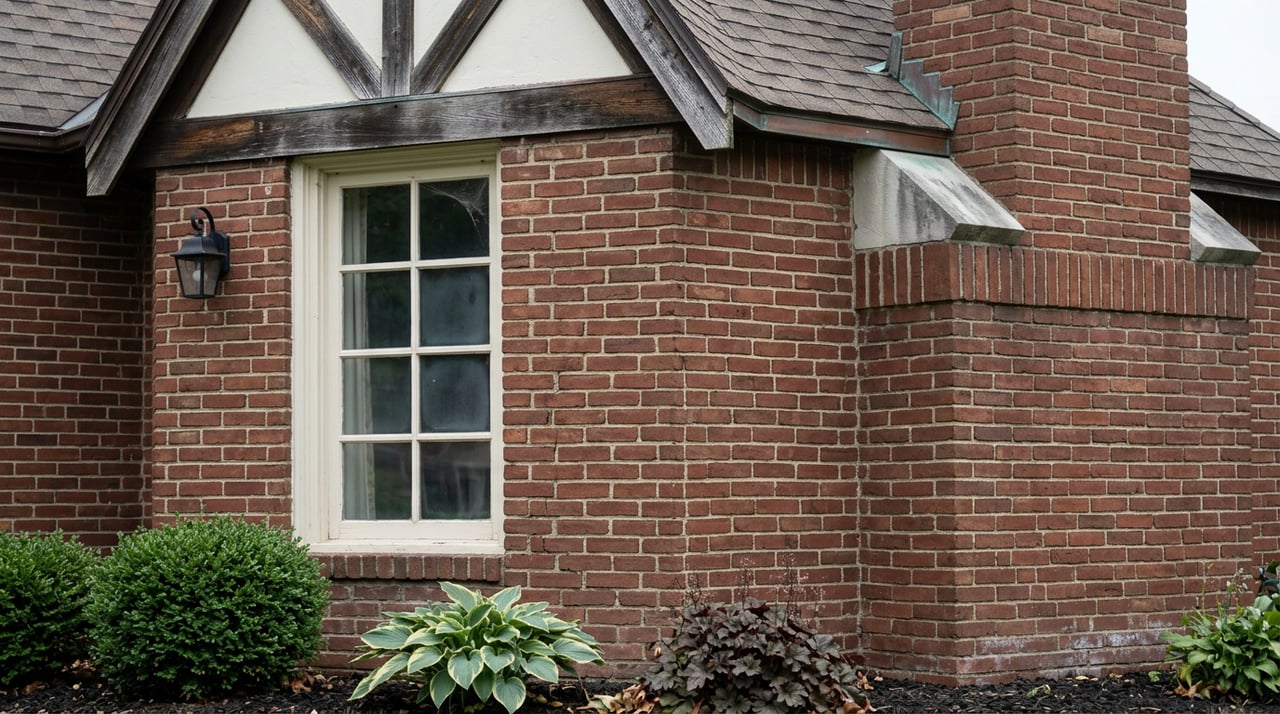
Edmond’s established luxury areas are prized for mature trees, larger lots, and architectural variety. You will often see deeper setbacks, greenbelts or small lakes, and a settled community feel. Many buyers choose these neighborhoods for privacy, street appeal, and lot depth that can be hard to match in newer sections.
Recognizable examples include Twin Bridges, Fairview Farms, Saratoga Farms, and Rose Creek. Each offers its own lifestyle mix, from amenity-centered living to boutique gated enclaves with limited inventory. Within these areas, you will find homes that range from updated traditional estates to larger custom properties.
Pros and trade-offs
- Pros: immediate curb appeal, mature landscaping, larger lots, and long-standing neighborhood reputations that can support resale confidence when condition is aligned with buyer expectations.
- Trade-offs: older roofs, HVAC, water heaters, and insulation that may need near-term capital. Plan for landscape upkeep and potential tree work. A thorough home inspection and targeted evaluations for roof, drainage, and trees are wise steps.
Lifestyle and maintenance differences
Budgeting matters as much as purchase price. A common rule of thumb is to set aside about 1 to 4 percent of your home’s value each year for routine maintenance and shorter-term repairs. Newer homes often sit near the low end in early years, while established estates and properties with pools or acreage can justify higher reserves. For context on planning ranges, see this overview of annual upkeep estimates from SuperMoney.
New builds typically deliver better baseline efficiency. Builders highlight improved insulation, higher-efficiency HVAC, and modern appliances that can reduce near-term utility spend and repair exposure. Ask for documented specs and third-party verifications when available. You can preview the kind of efficiency and finish features builders showcase in resources like Huelskamp Homes’ specification highlights.
If low-maintenance living is a priority, review HOA covenants closely. Some luxury enclaves include landscaping and amenity upkeep in the dues, which can be useful for lock-and-leave lifestyles. Confirm what is included, the fee schedule, and any design standards during your diligence period.
Resale and long-term value
Luxury resale in Edmond often turns on lifestyle fit and visible quality. Key drivers include lot size and privacy, the reputation and amenities of the neighborhood, proximity to commute corridors, and the condition and modernization of systems and finishes. For family buyers, school alignment within Edmond Public Schools can also influence demand. You can verify current district resources through Edmond Public Schools.
When comparing a new spec home to an updated estate on a larger lot, use neighborhood-level comps rather than city medians. Golf-front or club-adjacent properties can command premiums, while gated enclaves with larger sites often trade on scarcity and privacy. Your agent should pull recent, like-kind sales to illustrate how today’s pricing differs across Oak Tree sections, Rose Creek, Twin Bridges, and boutique gated neighborhoods.
Decision checklist
Use this quick filter to match your goals with the right path:
- Timeline: need keys within months? Consider a move-in-ready spec or turnkey resale. Want bespoke design and selections? A custom build often runs about 10 to 18 months from design to completion. See typical ranges in Keel Custom Homes’ process overview.
- Maintenance budget: plan about 1 to 4 percent of value annually, leaning higher for mature estates, pools, or acreage. See planning guidance from SuperMoney.
- Warranty and risk: confirm the builder’s 1–2–10 terms and whether structural coverage is insurer-backed and transferable. Learn more about structural coverage at 2-10 Home Buyers Warranty.
- Neighborhood fit: visit at different times to gauge traffic patterns and nearby construction. For school-focused decisions, always verify current boundaries on Edmond Public Schools.
- HOA scope and cost: request covenants, recent budgets, and a list of covered services. Align the rules and dues with how you plan to live in the home.
Next steps
Whether you lean toward a brand-new custom in a golf enclave or a tree-lined estate with instant curb appeal, the right choice comes down to timing, upkeep tolerance, and the lifestyle you want day to day. If you would like curated comps, a build-versus-renovate cost analysis, or a private tour schedule aligned to your timeline, connect with a local luxury specialist who knows Edmond’s enclaves street by street. Start a confidential conversation with Darian Woolbright Real Estate to map your best move.
FAQs
How long does building a custom luxury home in Edmond take?
- Typical published ranges are about 10 to 18 months from design and permitting through completion. Production or spec timelines commonly run 6 to 12 months. Review a written schedule and allowances, as outlined in resources like Keel Custom Homes.
Are new-home structural warranties meaningful for luxury buyers?
- Yes. Many builders offer a tiered 1–2–10 structure, and reputable third-party administrators such as 2-10 Home Buyers Warranty provide insurer-backed structural coverage. Read exclusions and transfer rules closely.
Will a new luxury home lower my utility and repair costs?
- New builds often include higher-efficiency HVAC, better insulation, and modern appliances that reduce near-term energy and repair exposure. Review builder spec sheets and examples like Huelskamp Homes’ feature highlights.
Are established, tree-lined neighborhoods stronger for resale in Edmond?
- They can command premiums for lot size, mature landscaping, and neighborhood reputation. Resale still depends on condition, modernization, and buyer demand in that specific enclave. Use recent, like-kind MLS comps to evaluate value.