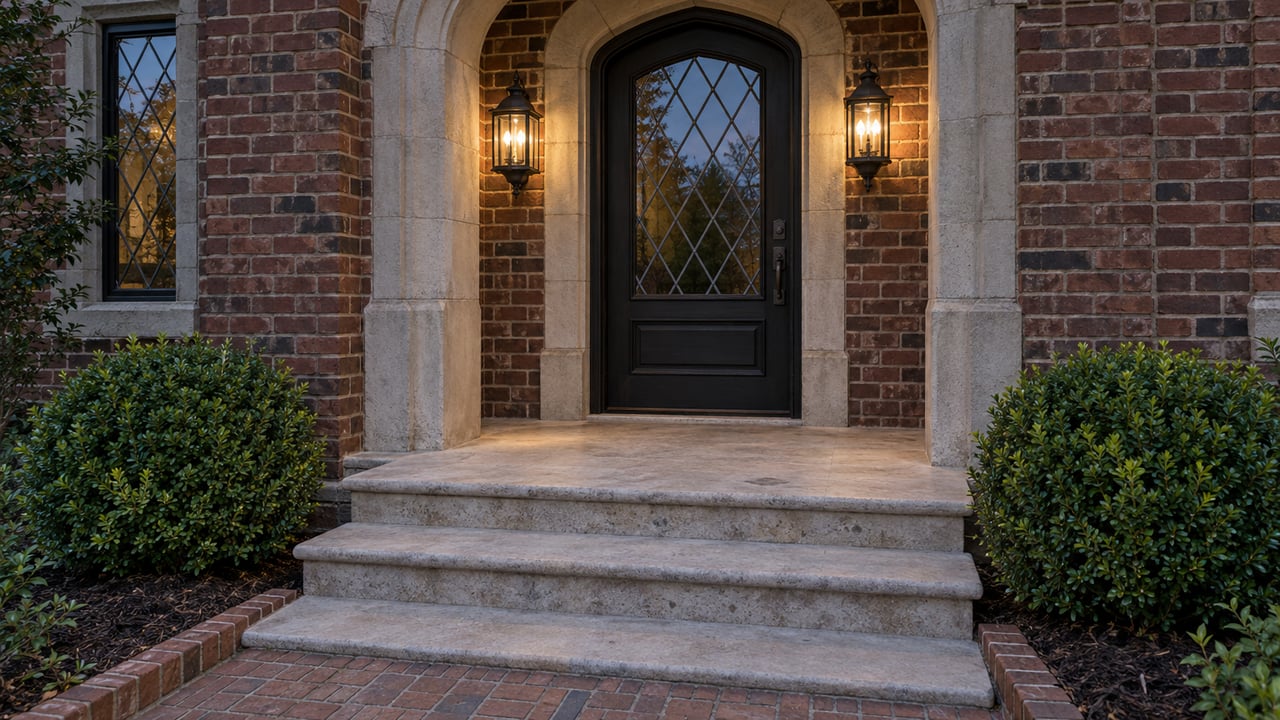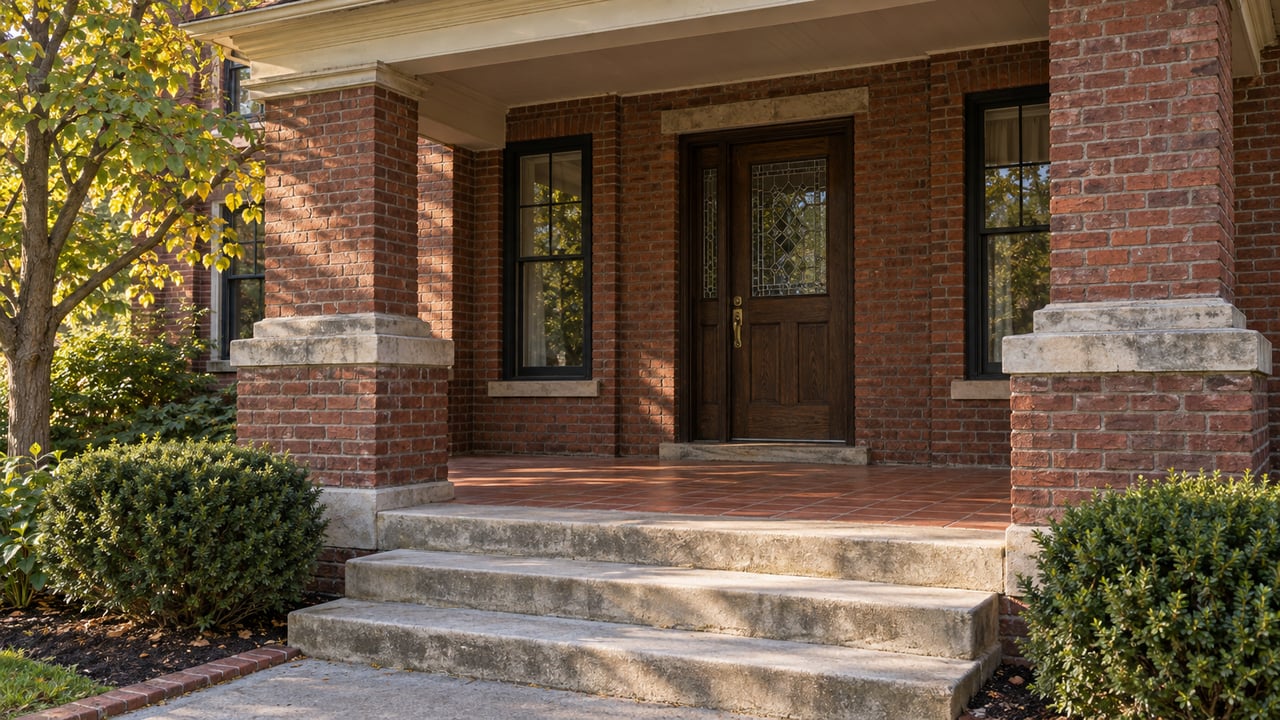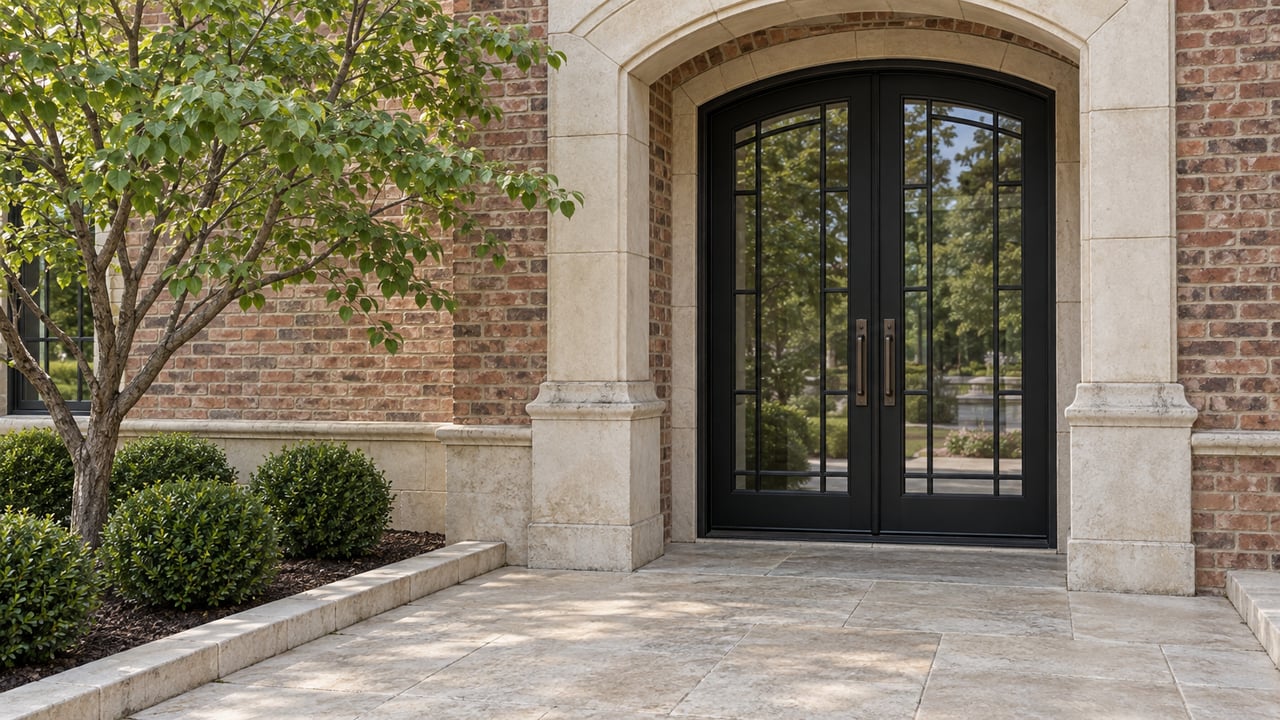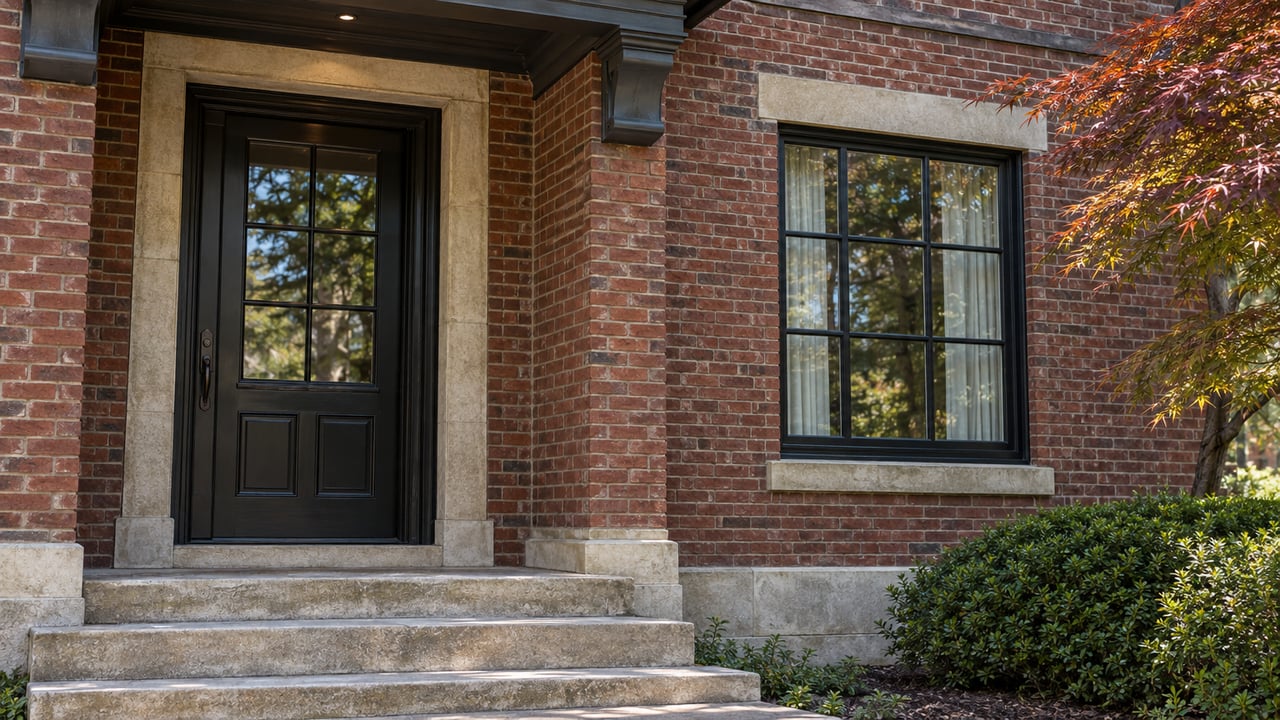
Why would two homes both marketed as "Heritage Hills" carry different renovation restrictions, sit under different zoning ordinances, and trade in what amount to two different price tiers? The neighborhood's name doesn't split. The zoning does, and it splits at a specific street.
Robinson Avenue runs through the district as more than a road. West of it sits the Heritage Hills that most buyers picture: six platted additions from the early 1900s, mansions built by oil-boom money, and a historic preservation designation that dates to 1969. East of it, between Robinson and Broadway, sits Heritage Hills East, a narrow strip that didn't get its own historic zoning until 1999, thirty years later, and for a different reason entirely.
Two Districts Platted Together, Zoned Decades Apart
The original Heritage Hills is a name applied in 1969 to a conglomerate of six additions: Harndale, West Highland Parked Addition, Colcord Heights Addition, Classen's Highland Parked Addition, Winan's Highland Addition, and Winan's Second Addition. These were platted between 1900 and 1910, built out largely by 1930, and zoned as Oklahoma City's first local historic preservation district that same year, 1969. National Register listing followed in 1979.
Heritage Hills East went up during the same building boom, on the same timeline, a few blocks east. But the housing stock there was never the same. Alongside single-family homes, the strip always included duplexes, four-unit properties, and mixed residential buildings, among them The Aberdeen, a mid-rise apartment building that still anchors the district today. Those uses never fit under the original 1969 covenants, which is why Heritage Hills East wasn't folded into the same zoning. Property owners there had to request their own designation in 1999, and the city split it two ways: Historic Preservation zoning for the single-family blocks, Historic Landmark zoning for the mixed residential portions.
That's the mechanism. Two districts built at the same time, by the same wave of development, zoned thirty years apart because the building types never matched.
| Heritage Hills (core) | Heritage Hills East | |
|---|---|---|
| Historic Preservation zoning | 1969 | 1999 |
| National Register listing | 1979 | Not separately listed |
| Predominant building stock | Single-family mansions and bungalows | Single-family homes plus duplexes, fourplexes, mixed residential |
| Notable structure | Overholser Mansion, Hales Mansion | The Aberdeen |
| Boundary | West of Robinson Avenue | Between Robinson Avenue and Broadway |
What the Certificate of Appropriateness Actually Restricts
According to Historical Preservation, Inc., inside the core district, exterior changes beyond routine maintenance require a Certificate of Appropriateness from Oklahoma City's Historic Preservation Commission before work begins. That covers windows, roofing, doors, and other visible features. Interior renovations don't need one. Routine exterior maintenance includes repainting or replacing a feature with the same material it already is.
Timing carries its own surprise. Smaller projects, like a window repair or an in-kind replacement, can move through administrative review in days to a few weeks. Anything that needs a hearing before the full commission runs on that body's meeting calendar instead, which can stretch review to several months depending on the submittal deadlines. The City of Oklahoma City says that even after a Certificate of Appropriateness is approved, a mandatory ten-business-day appeal period sits between approval and issuance, a detail easy to miss when budgeting a renovation timeline against a closing date.
None of this applies less strictly in Heritage Hills East. Its Historic Landmark and Historic Preservation zoning routes through the same city process. What differs is what the design guidelines are protecting: a district built around denser, mixed housing rather than freestanding single-family lots.
The Price Range That a Single Median Can't Hold
Search "Heritage Hills homes for sale" and the spread is the first thing that stands out. One recent snapshot of active listings ranged from $449,000 to $2,200,000, all inside the same named neighborhood. That range isn't a data error. It's what happens when one search term covers two zoning districts with different building types, plus a price gradient inside the core district itself.
The median figures published for the area diverge for the same reason. A twelve-month median sale price tracked near $840,000 in one recent report, up 45% year over year, while a narrower three-month window ending in May 2026 put the median at $1.1 million, up 77.9% over the same period the year before, on just 14 recorded sales that month. A short window built on a small number of transactions in a district this small can swing hard in either direction. That's not a flaw in any one data provider; it's the volatility that comes with reading a median from thin, high-value inventory.
Local agents who track resales in the district also point to a gradient that no citywide figure captures: value climbs the farther a lot sits from the old rail line that runs along the neighborhood's eastern edge, near where the core district gives way to Heritage Hills East. Harn Park, on the district's western side toward Mesta Park, and Winans Park, closer to the eastern boundary on Broadway, sit on opposite ends of that gradient. A buyer comparing two listings by square footage alone, without accounting for which side of the district they fall on, is comparing two different markets with one yardstick.
Inventory adds a second layer. Homes in the core district often move through word-of-mouth or before they reach public listing sites at all, which is part of why the recorded sale counts stay so low in any given month. A buyer waiting for a wide selection of active listings to compare is working against a market that doesn't generate much public inventory to begin with.
What to Confirm Before You Write an Offer
A few checks matter more here than in most OKC neighborhoods:
- Confirm which historic district the address actually sits in. A listing agent's marketing copy may say "Heritage Hills" for both sides of Robinson Avenue, but the zoning, the permitted renovations, and the comparable sales pool differ once you cross that line.
- If a renovation is part of the plan, ask whether the scope qualifies for administrative review or needs a commission hearing, and build the appeal window into your closing or move-in timeline rather than assuming approval means immediate clearance.
- Treat any single median price figure as a starting point, not a conclusion. Ask what window it covers and how many sales it's built on before using it to anchor an offer.
A Few Questions Worth Asking Directly
Does painting a Heritage Hills home need city approval? No. Regular exterior maintenance, including repainting and replacing a feature with the same material, is exempt from the Certificate of Appropriateness process. Changing a material, a color scheme tied to a different finish, or a feature's design is a different conversation.
Are Heritage Hills East properties held to lighter historic standards than the core district? Not lighter, different. Both districts route exterior changes through the same city process. Heritage Hills East's design guidelines were written to preserve a mix of single-family homes and small multifamily buildings, which is a different building fabric than the core district's single-family mansions and bungalows.
Why do sale counts stay so low in Heritage Hills month to month? Limited housing stock and demand that regularly outpaces public listings. Many transactions in the core district move through direct relationships between owners and buyers before a property is broadly marketed, which keeps the recorded monthly sale count small enough that short-window price data swings more than it would in a larger market.
If you're weighing a property on either side of Robinson Avenue and want to know exactly which rules and comparables apply before you make a move, Darian Woolbright can walk through the specific address with you. Request a Private Listing Consultation to get clarity before you write the offer.
This article is general information, not legal, tax or financial advice. Consult a qualified professional about your situation.