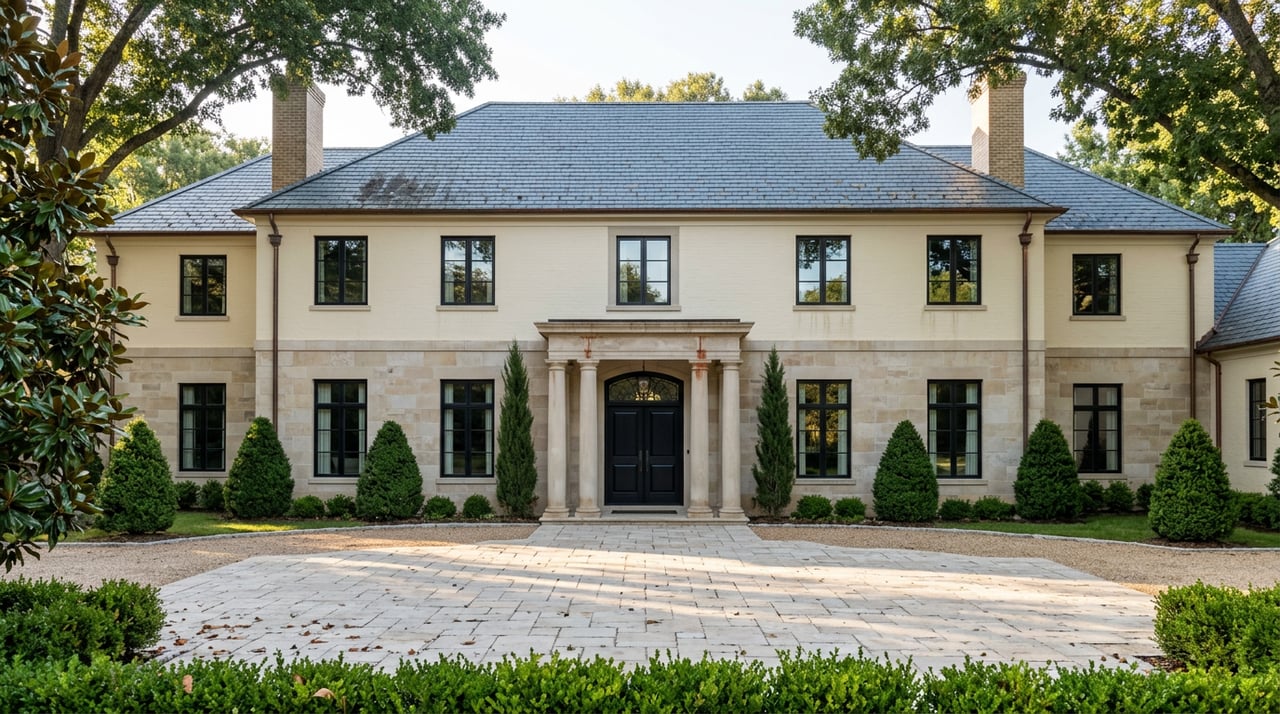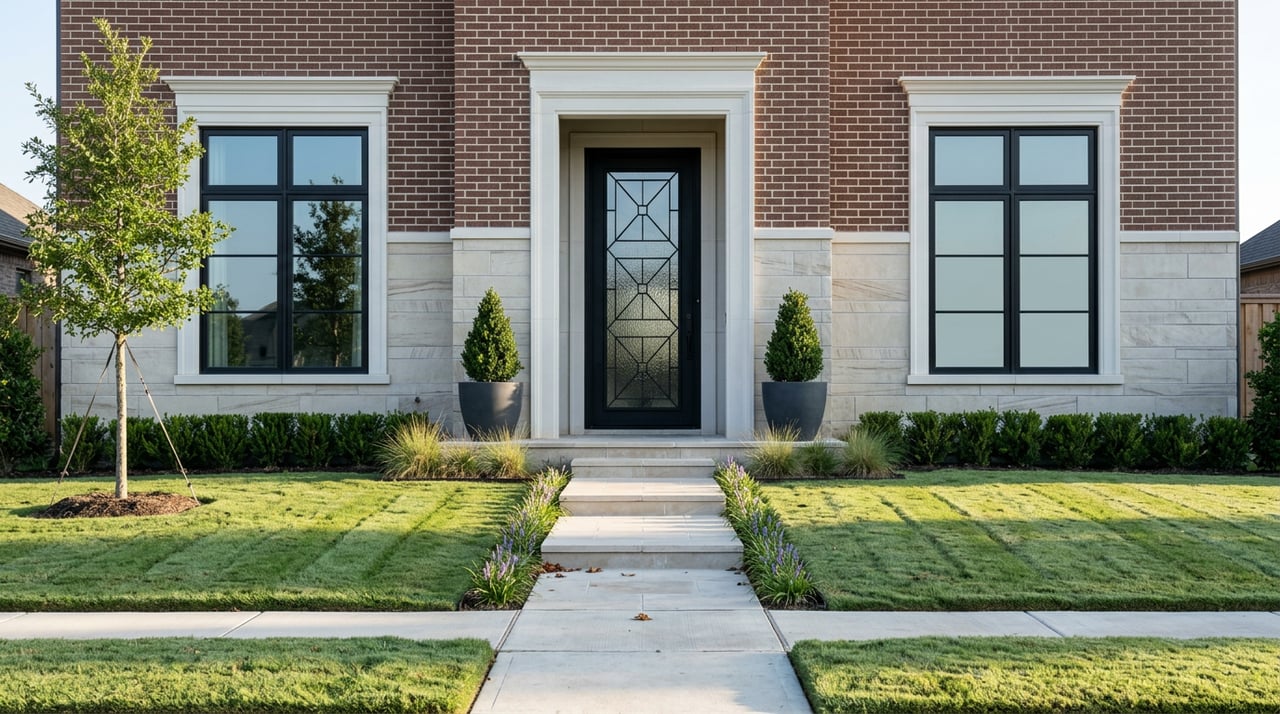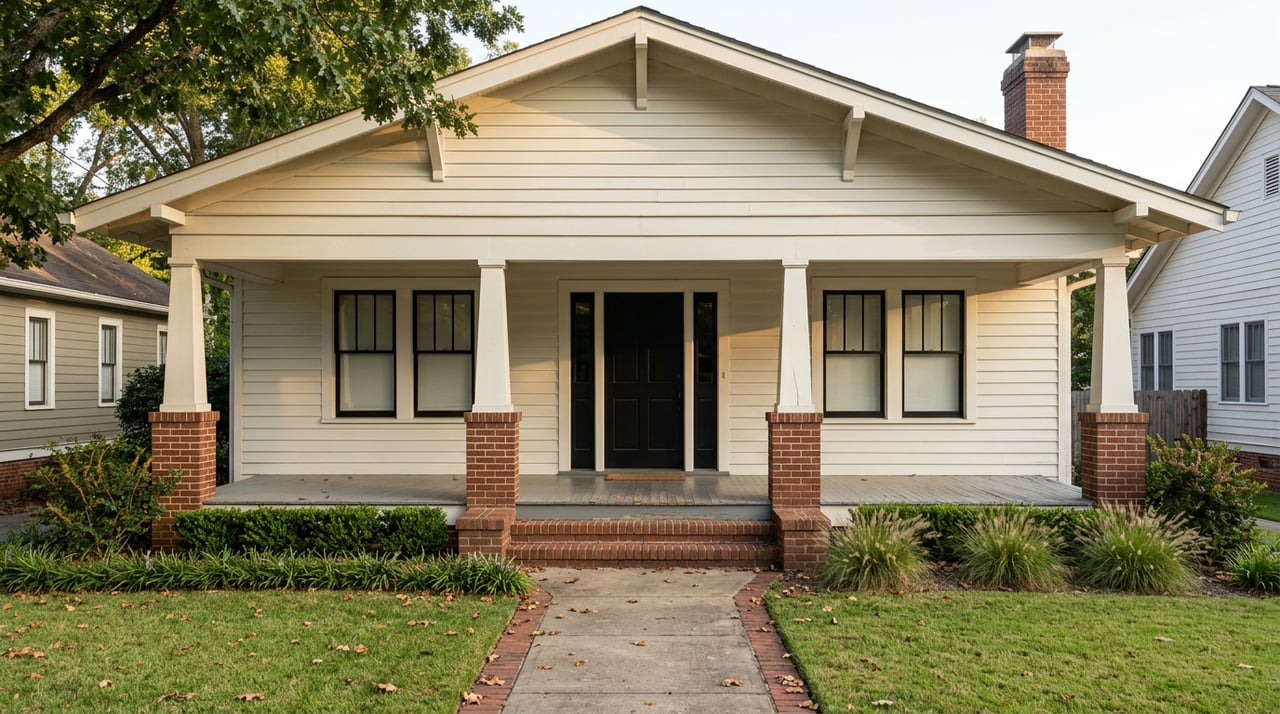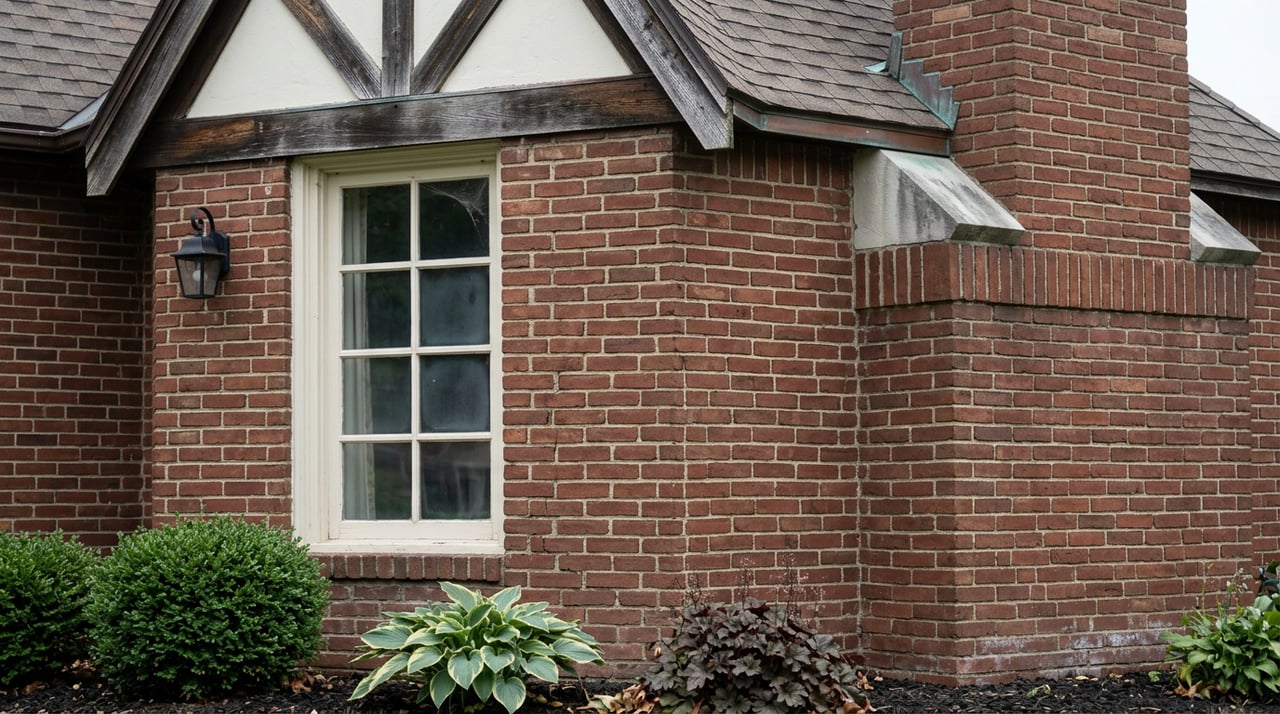
A seller in Crown Heights repaints the trim, swaps a rotted porch rail, and figures the house will be photo-ready in ten days. Then a contractor mentions the word permit, and the ten days become an open question with no clear end date. This happens every listing season in this pocket of Oklahoma City, and it has nothing to do with money. It has to do with a calendar most sellers never think to check.
Here is the claim worth sitting with before you set a listing date: the year-over-year price pullback you may have already seen quoted for this neighborhood is not the biggest variable in how your sale goes. The bigger variable is whether you schedule your pre-listing repairs around a preservation review process that meets once a month, whether you need it or not.
The Line That Splits This Neighborhood in Two
Crown Heights and Edgemere Heights get marketed as one neighborhood, and geographically they are. But Walker Avenue running through the middle draws a legal line that changes what a seller can and cannot do to a house before it hits the market.
West of Walker is Crown Heights proper, platted in the 1930s on land that was once the Oklahoma City Golf and Country Club course before developer G.A. Nichols bought it and built out the neighborhood. That side carries the City of Oklahoma City's Historic Preservation designation. East of Walker is Edgemere Heights, built out in the late 1940s and 1950s as a ranch-style, attached-garage neighborhood, and it does not carry that designation.
That distinction is not trivia. It determines whether your pre-listing punch list runs through a city commission or through your contractor's own schedule. A seller on the Edgemere side can replace a window or repaint a door the week before photos. A seller on the Crown Heights side, doing the same repair, may be looking at a different sequence entirely, because Crown Heights is one of seven historic districts under Oklahoma City's Historic Preservation Commission, and that commission does not meet on demand.
How the Once-a-Month Clock Actually Works
The Oklahoma City Historic Preservation Commission holds public hearings on Certificate of Appropriateness applications, and it does so once a month. Any exterior change that counts as erection, demolition, reconstruction, restoration, or alteration of a structure inside a historic district needs that certificate before a construction permit can even be issued.
The sequence, once you lay it out, explains why timing catches people off guard:
- You submit a complete application by the published deadline ahead of the month's meeting. An incomplete application does not get forwarded to the commission at all.
- Commissioners receive the application and staff report several days in advance so they can review it and, in some cases, visit the property.
- The commission hears the case at its monthly meeting and votes to approve, continue for more information, or deny.
- If approved, a ten-day protest period has to run before the Historic Preservation Officer can mail the certificate.
- Only after the certificate is in hand can the city issue a construction permit.
- Only after the permit is issued can your contractor legally start the work that shows up in listing photos.
Miss the submittal deadline for this month's meeting and the whole sequence resets to next month. That is not a worst-case scenario. It is the baseline for anything that needs commission-level review rather than routine staff sign-off. Some work does move faster. Ordinary maintenance and repairs are generally allowed without this process, and interior work is typically unregulated by the district unless a recorded preservation easement says otherwise. But once a project crosses into replacing a character-defining exterior feature, plan on the commission's calendar, not your own.
What a Delayed Repair Actually Costs You Right Now
This is where the math gets interesting, because the current market punishes a slow start more than it punishes a soft price.
As of July 2026, the median home price in Crown Heights-Edgemere Heights sits at $585,000, with a median sale price of $569,000, down 8 percent from a year earlier. On its own, that number reads like a cooling market. But the same data shows homes here selling in an average of 32 days, compared with a 56-day national average. Active listings currently span $429,500 to $1,395,000.
Put those two facts together and the story changes. This is not a market where sellers are struggling to find buyers. It is a market where properly prepared, correctly priced homes are still moving close to twice as fast as the national pace, even as overall values normalize. The 8 percent pullback is a market-wide adjustment. The 32-day pace is a reward for showing up ready.
That reward disappears the moment a listing sits half-finished because a porch repair is waiting on next month's hearing. A seller who lists with visible incomplete work, or who delays listing altogether to wait out a certificate, is trading a fast-moving window for a slower one, in a market that is already giving back some of its pricing power. The commission calendar is not just a bureaucratic detail. It is the mechanism most likely to knock a seller out of the 32-day pace and into the part of the market where price cuts start doing the work that timing should have done.
What Actually Needs a Certificate, and What Doesn't
The safest approach for anyone prepping a Crown Heights listing is to sort planned work into three buckets before calling a contractor.
Routine maintenance and in-kind repairs, the kind that keep an existing feature functioning without changing its appearance or material, generally do not trigger commission review. A cracked windowpane replaced with the same glass, a gutter reattached, a porch board swapped for a matching board, these tend to move at the pace of your contractor's schedule.
Interior renovation is typically outside the district's authority altogether, unless the property carries a recorded preservation easement, which is worth checking with a title search before assuming freedom to remodel a kitchen or bathroom without a second thought.
Anything that changes a character-defining exterior feature, a full porch rebuild, a different roofline, replacing an original door or window with something that alters its look, sits squarely in Certificate of Appropriateness territory. That is the bucket that needs the monthly meeting factored into a listing date, not the week before photos.
If you are not sure which bucket your project falls into, that uncertainty is itself useful information. It means the conversation with the city's Planning Department needs to happen before you set a listing date, not after a contractor is already on-site.
The Paper Trail Your Buyer Will Eventually Ask For
Even after your own repairs are handled, a Crown Heights sale benefits from a second piece of preparation most sellers skip: assembling the record. A buyer's agent working a historic district will often ask for copies of past Certificates of Appropriateness, documentation of any open permits, and confirmation that no enforcement issues are sitting unresolved. Handing that over at listing, rather than scrambling for it during an option period, keeps a fast-moving deal fast.
It also signals something to a buyer who is weighing whether historic designation is a feature or a friction point. A clean file says the previous owner understood the process. A messy one raises exactly the kind of question that slows a 32-day sale into a 60-day one.
Where This Leaves a Crown Heights Seller
None of this is a reason to avoid listing on the Crown Heights side of Walker Avenue. It is a reason to build your calendar backward from the commission's schedule instead of forward from your ideal listing date. Confirm which side of Walker your address sits on. Confirm which bucket your planned repairs fall into. If anything needs a certificate, find the next application deadline and work backward from there, factoring in the ten-day protest window and the permit step that follows.
The neighborhood is still selling fast. The price data from this summer is not a reason for alarm. But the fastest sales are going to sellers who treated the preservation calendar as part of the transaction from the start, not as a surprise they discovered halfway through prepping the house.
If you are weighing a listing on either side of Walker Avenue and want a clear-eyed look at what your specific repairs and timeline actually require, Darian Woolbright works this neighborhood block by block and can walk through the certificate process, the current pricing picture, and a realistic listing date together. Request a private listing consultation before you call a contractor, not after.