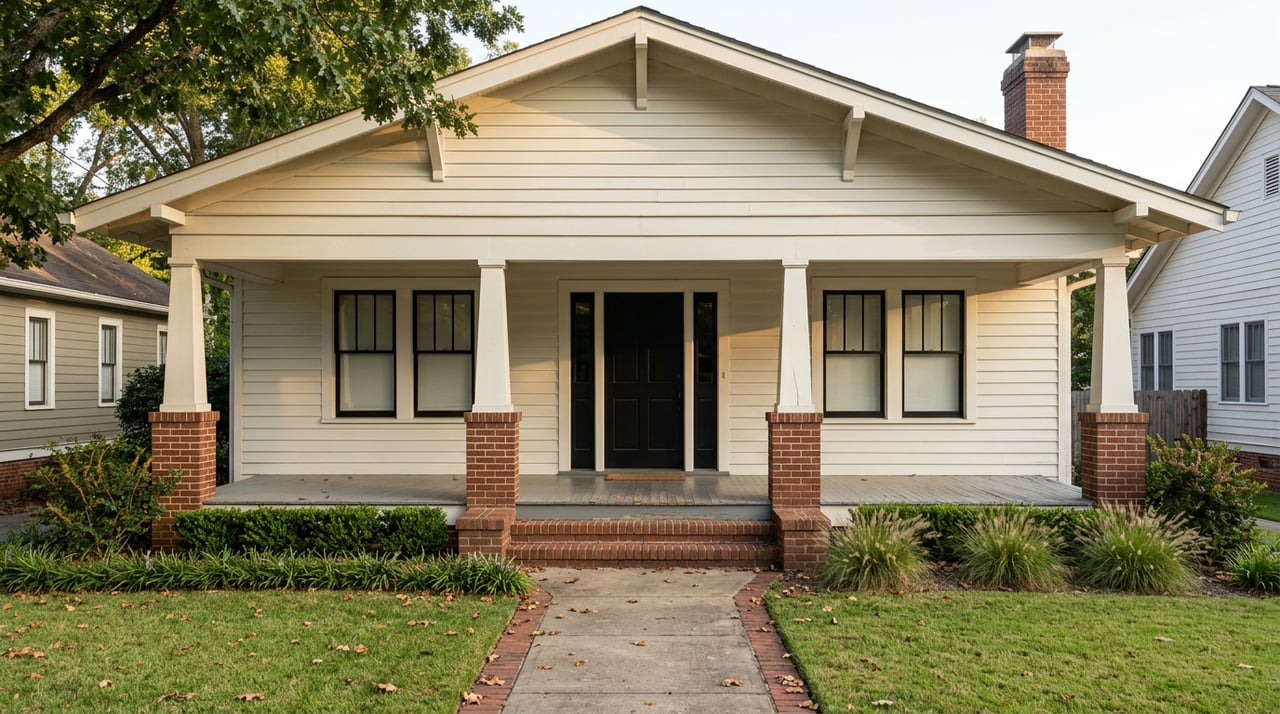
Most owners preparing to sell a pre-1950 home in Mesta Park brace for the wrong gatekeeper. They picture the city's Historic Preservation Commission poring over paint colors and porch railings, assume any electrical work will need a hearing, and build extra weeks into their timeline for a review that, for interior wiring, was never going to happen. Meanwhile the actual obstacle, a homeowners insurance underwriter deciding whether to write a policy on knob-and-tube wiring that a lender already approved, gets no attention at all until it shows up during option period.
That gap between what gets feared and what actually derails a closing is the story of selling a historic Mesta Park home in 2026.
The Review Board Everyone Worries About Doesn't Touch This
Mesta Park is one of Oklahoma City's designated Historic Preservation Districts, and the city's own guidance is direct about what that means: changes to buildings, demolitions, and new construction within Historic Preservation or Historic Landmark zones require a Certificate of Approval, issued either by the Historic Preservation Commission or by Planning Department staff. That requirement is built around exterior appearance and street-facing character. It governs windows, siding, roofing, porches, additions, and anything visible from the sidewalk.
It does not govern a rewire. Running new copper through a wall cavity, replacing a panel, or pulling a permit to correct ungrounded outlets is not a design question. It is a code question, and it runs through a completely different office. Most electrical work in Oklahoma City requires a permit from the Development Services Department, and the work itself has to be performed by a licensed electrician through the Oklahoma Construction Industries Board. That process exists whether the house sits in Mesta Park or a subdivision built last year. A seller who assumes the preservation board has to sign off on a rewire is planning around a delay that does not apply to the work they actually need done.
That misplaced worry matters because it distracts from the approval that does apply, and that one shows up much later in the transaction.
What Actually Gets Checked at the Lending Table
Knob-and-tube wiring remains common in Mesta Park and Heritage Hills homes built before 1950, according to electricians who work on this housing stock regularly. It has no ground wire, and the cloth insulation that once protected it becomes brittle and prone to cracking with age. That description alone sounds disqualifying to a buyer who has never dealt with it, but federal loan guidelines are more forgiving than most people expect.
FHA, VA, USDA, and conventional loans backed by Fannie Mae or Freddie Mac all treat knob-and-tube the same way: it is acceptable if the system is functioning, safe, and typical for the area, with a minimum of 60-amp service. An FHA appraiser is not required to open walls looking for it. What does trigger a required repair is visible deterioration, exposed wire, missing cover plates, or a panel that looks damaged or overfused. A quiet, intact knob-and-tube system in an older Mesta Park bungalow can, and regularly does, pass appraisal without a note.
That is the part sellers hear about and plan for. It is also not where the deal actually gets stuck.
The Underwriter Who Isn't at the Closing Table
A loan being approved and a home being insurable are two separate questions, decided by two separate parties, on two separate standards. There is no federal minimum that binds a homeowners insurer the way HUD binds an FHA appraiser. An insurance company can decline to write a new policy, decline to renew an existing one, or add a surcharge for wiring that a lender just cleared, and it can do that at any point in the process, including after the appraisal is already filed.
Knob-and-tube wiring, aluminum branch wiring, and older panel brands like Federal Pacific Electric's Stab-Lok line or Zinsco are all flagged by insurers as known risks, independent of whether that wiring meets lending guidelines. Federal Pacific panels in particular have a documented history of breakers that fail to trip during an overcurrent event, and many insurers will not write a new homeowner policy on a house that still has one installed. None of that shows up on an appraisal. It shows up when the buyer's insurance agent runs the address and comes back asking questions nobody budgeted time to answer.
Here is the practical difference in plain terms:
| Review Layer | What It Actually Requires |
|---|---|
| FHA, VA, USDA appraisal | Wiring must be functioning, undamaged, and rated at least 60 amps. Visible deterioration or exposed wire triggers a repair condition. |
| Conventional loan (Fannie Mae, Freddie Mac) | Same functional standard applies. A safe, intact system typical for the area passes. |
| Homeowners insurance underwriting | No federal floor. Individual insurers can decline, non-renew, or surcharge for knob-and-tube, aluminum wiring, or recalled panel brands, even on a home the lender already approved. |
A buyer whose loan clears without a single wiring condition can still lose their insurance quote three weeks later. That is the sequence that catches sellers off guard, because it happens after the part of the process they were told to worry about.
What This Costs to Get Ahead Of
A pre-listing electrical inspection from a licensed electrician is a modest expense against what a late-stage insurance denial costs in delay. A third-party electrical inspection built for real estate transactions typically runs between $150 and $400 for a written report with photos, one that documents panel condition, wiring type, grounding, and any code deficiencies in a form a lender or insurer can actually use.
If that inspection turns up a panel that needs replacing, the average cost for an electrical panel upgrade in Oklahoma City runs around $2,225, with most projects falling between $1,335 and $4,005 depending on scope and amperage. Electricians serving the metro, including firms like Mr. Electric of Oklahoma City and Waggoners Home Services, a company that has worked in Oklahoma City since 1946 and has specifically handled knob-and-tube replacement in Mesta Park, coordinate the permit with Development Services as part of the job. That permit process is routine. It is not a preservation review, and it does not require a hearing date.
The math favors doing this before a buyer is under contract, not after. A pre-listing rewire or panel upgrade is a scheduled project on your timeline. The same work discovered during an option period becomes a negotiated repair credit, a delayed closing date, or a buyer whose lender is ready to fund a loan their insurer will not back.
Sequencing It Before You List
Order the electrical inspection early, alongside or even before a general home inspection, so you know what you are working with before a buyer's team does. If the report flags knob-and-tube in poor condition, an outdated panel brand, or ungrounded circuits, get a written quote and decide whether to complete the work now or price the home to reflect it. Either choice is defensible. What is not defensible is finding out during a buyer's insurance shopping period that the wiring their lender accepted is the same wiring their insurer will not cover.
A loan approval tells you the wiring is safe enough to lend against. It does not tell you the wiring is insurable. Those are different questions, and only one of them gets checked before the buyer's agent calls with a problem.
A Few Questions Worth Settling Early
Does rewiring a Mesta Park home require Historic Preservation Commission approval? No. The Commission's Certificate of Approval process covers exterior changes visible from the street. Interior electrical work runs through a standard city building permit and a licensed electrician, the same process used anywhere else in Oklahoma City.
Will FHA automatically reject a home with knob-and-tube wiring? Not automatically. FHA, VA, USDA, and conventional guidelines all accept functioning knob-and-tube at 60 amps or more. Visible damage or exposed wire is what triggers a required repair, not the presence of the wiring itself.
How do I know if my panel is one insurers flag? Federal Pacific Electric's Stab-Lok panels and Zinsco panels are the two brands most consistently cited as insurance red flags, separate from any wiring type. A licensed electrician can identify the panel brand during a standard inspection.
Selling a home with this kind of history rewards sellers who understand exactly which approval applies at which stage, and who get ahead of the one that actually threatens the closing date. If you own a historic property in Mesta Park, Heritage Hills, or one of Oklahoma City's other preservation districts and want a clear-eyed read on what your specific home will face before it hits the market, Darian Woolbright works this exact terrain. Request a Private Listing Consultation and get a straight answer on what needs attention before a buyer's underwriter finds it for you.