If you have ever walked through Nichols Hills and felt that certain homes simply look right, you are not imagining it. In this part of Oklahoma City, buyers are often drawn to houses that feel grounded, balanced, and thoughtfully maintained. When you understand which classic design details stand out here, you can better evaluate a purchase, plan updates, or position a home for sale. Let’s dive in.
Why classic design works in Nichols Hills
Nichols Hills was developed in the 1920s and 1930s as a planned residential community by G. A. Nichols with landscape design by Hare & Hare. Its curving streets, large lots, and relationship to the natural terrain created a setting where homes were meant to feel integrated with the land rather than dropped onto it.
That history still matters today. A National Park Service landscape survey noted that more than 40,000 trees were planted during development, which helps explain why mature landscape, scale, and site presentation remain such a big part of the neighborhood’s identity.
Just as important, Nichols Hills is not limited to one architectural style. City materials note that the area includes up to 34 different architectural styles, while still emphasizing compatibility, proportion, massing, landscaping, and materials within each project.
Exterior details buyers notice first
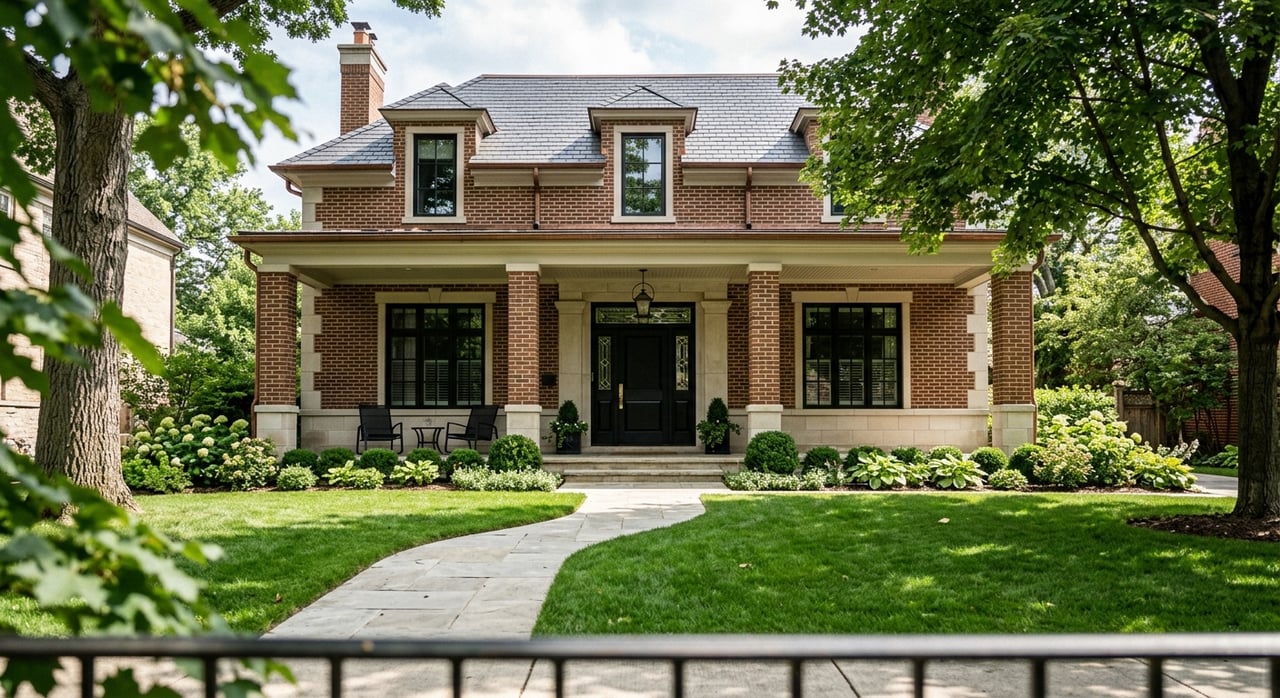
In Nichols Hills, timeless curb appeal usually starts with materials that feel authentic and substantial. The city’s Building Commission guidelines generally favor brick, rock, stone, cast stone, cement stucco, and other masonry materials that read as structural rather than decorative skins.
That helps explain why classic exteriors tend to age well here. They feel permanent, cohesive, and consistent with the broader streetscape.
Authentic masonry finishes
When buyers approach a home in Nichols Hills, the exterior material often sets the tone before they ever walk inside. Masonry-forward facades tend to feel established and aligned with the city’s design expectations.
By contrast, the city’s residential guidelines generally prohibit materials such as metal skins, mirrored glass, and exposed concrete block. For homeowners considering improvements, that makes material choice more than a style preference. It is part of how the property fits the neighborhood.
Visible front entries
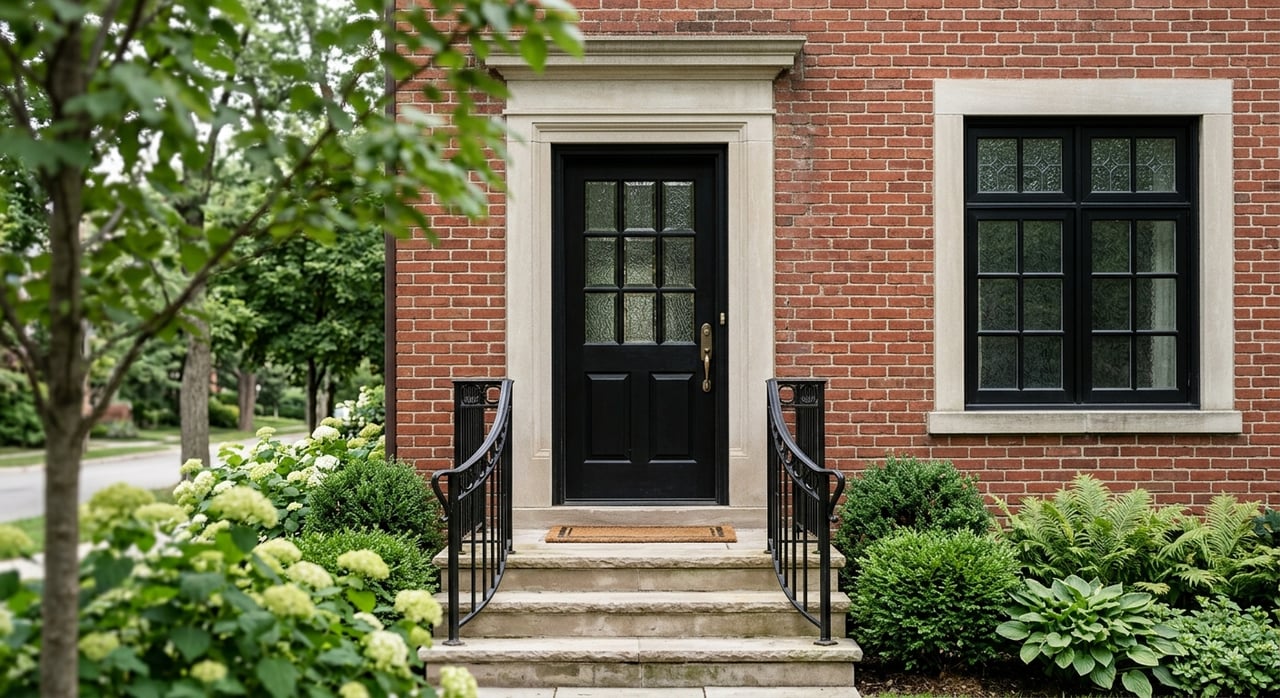
A classic Nichols Hills home often welcomes you with a front entry that is easy to see from the street. The city specifically says main entries should be visible and contribute to a friendly neighborhood experience.
That may sound simple, but it has a real effect on how a home feels. A clear front door, a balanced walkway, and a porch or entry surround can make a house feel more inviting and more human in scale.
Proportion and massing
Buyers also respond to homes that look well balanced. Nichols Hills guidelines focus heavily on volume, bulk, massing, and scale, which means homes should feel compatible with nearby properties rather than oversized or visually abrupt.
Large blank walls or roof expanses can make a home feel bulky. By comparison, homes with layered rooflines, articulated facades, and proportionate windows tend to feel more refined and more consistent with the neighborhood’s design language.
Restrained rooflines and colors
Classic homes in Nichols Hills usually avoid extremes. The city says roof materials and colors should match the home’s architectural style, and exterior colors should be subtle, neutral, earth-tone, or low-reflectance.
That restraint is part of the appeal. Instead of chasing trends, timeless homes here tend to rely on balanced composition and a cohesive palette that lets the architecture and landscape do the talking.
Landscape is part of the architecture
In Nichols Hills, landscaping is not an afterthought. It is a defining part of how a home presents and how the neighborhood reads as a whole.
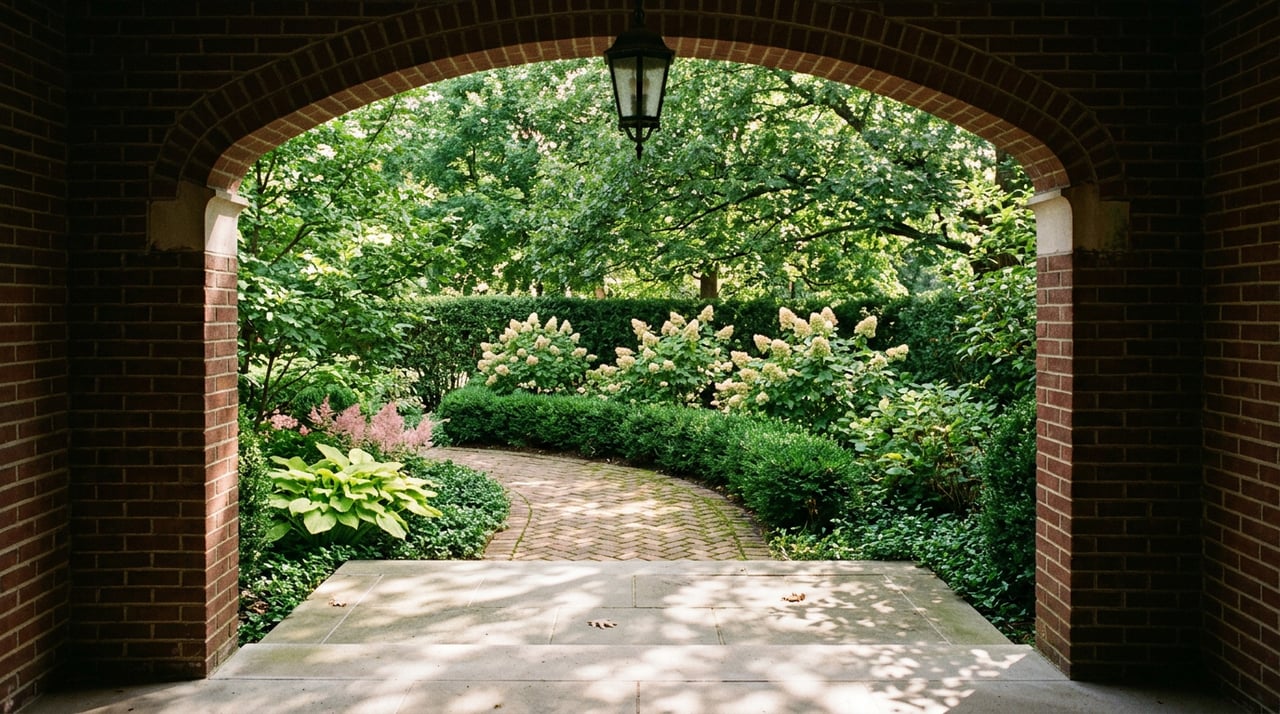
Because the community was designed around natural topography and a major tree-planting effort, homes that feel settled into the lot often make the strongest impression. Mature canopy, layered plantings, and privacy-minded design all contribute to that classic look.
Mature trees and established planting
The city’s guidelines emphasize site design, existing vegetation, and compatibility with surrounding properties. Healthy mature trees are expected to be retained when possible, and new landscaping should complement established patterns.
For buyers, this often translates into emotional appeal. A home framed by mature trees and thoughtful planting usually feels more complete, more comfortable, and more connected to Nichols Hills’ original planning vision.
Privacy without harsh separation
Privacy matters, but in Nichols Hills it is often achieved with landscape rather than visual barriers alone. The city recommends screening plants such as hedges along side and rear property lines, along with evergreen trees and shrubs for year-round screening.
This creates a different feel than a property that relies on hard edges or visually intrusive fencing. Outdoor living spaces often feel more elegant when they are buffered by planting and integrated with the lot.
Fences and structures that blend in
Fences, walls, and accessory features all affect curb appeal. Nichols Hills guidelines say they should be integrated with the structure and setting, remain proportionate to function, and avoid becoming visually intrusive.
The same standards generally prohibit chain-link and vinyl-type fencing. Features like pergolas, gazebos, trellises, and arbors are generally expected to be made of heavy timber or wrought iron, which supports the neighborhood’s classic visual character.
Interior character buyers still value
While curb appeal starts outside, many of the most memorable Nichols Hills homes continue that same classic logic indoors. Buyers often appreciate interiors that improve daily living without erasing the craftsmanship that gives an older home its identity.
National Park Service rehabilitation guidance supports that approach by emphasizing the preservation of historic character, distinctive materials, finishes, craftsmanship, and room relationships while allowing compatible updates.
Original details worth keeping
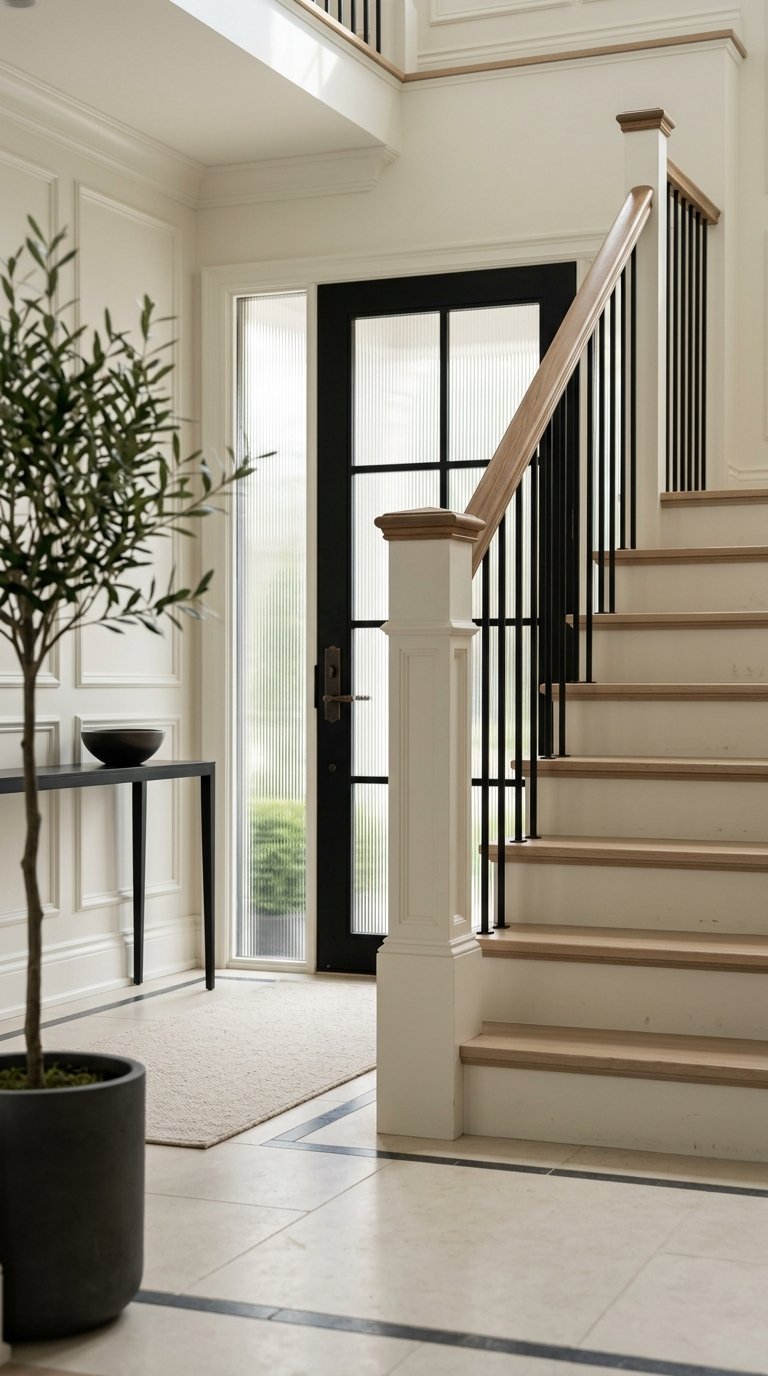
Character-defining interior features can include trim, fireplaces, paneling, windows, doors, transoms, exposed trusses, and the spatial relationships between rooms. These details often carry a sense of quality that would be difficult or expensive to recreate today.
When those elements remain intact, they can make a home feel more authentic. Buyers touring older homes in Nichols Hills often recognize that difference right away.
Smart updates that improve function
That does not mean a home needs to feel frozen in time. In fact, the strongest renovations often modernize the rooms that affect everyday life most, while preserving the home’s original proportions and visual rhythm.
A recent Nichols Hills Tudor renovation highlighted this approach well. The home preserved leaded windows, mahogany trim, hardwood trusses, and extensive original wood detailing, while reworking parts of the upstairs layout, improving laundry placement, and opening the kitchen and dining areas for better function.
Balance over overcorrection
The lesson for buyers and sellers is clear. In Nichols Hills, updates tend to feel most successful when they respect the original structure of the house.
That often means improving kitchens, baths, storage, lighting, and mechanical systems while keeping dedicated spaces, craftsmanship, and room sequence legible. Overly aggressive changes can weaken the character that made the home special in the first place.
What sellers should preserve before listing
If you are preparing a Nichols Hills home for the market, classic details can shape buyer perception before pricing conversations even begin. The goal is not to make the house look trendy. The goal is to make it feel coherent, cared for, and true to its setting.
That usually starts with preserving the home’s original visual logic and making selective improvements that support it.
Features that often support appeal
Sellers should pay close attention to details such as:
- Masonry-forward exterior materials
- Visible and well-defined front entries
- Proportionate windows and rooflines
- Original windows or faithful replacements
- Mature trees and established landscaping
- Outdoor spaces screened with planting rather than intrusive barriers
- Interior trim, fireplaces, paneling, and other craftsmanship details
These elements help buyers connect the home to the broader Nichols Hills identity.
Changes that can feel out of place
The city’s Building Commission review process shows just how closely exterior changes are considered. Certificates of Approval are required for new construction, additions, demolition, and certain facade alterations, including major facade changes over specific thresholds.
That matters because some updates can pull a home away from the neighborhood’s design expectations. Oversized additions, highly reflective materials, large blank walls, or hardscape that overwhelms the lot may feel less compatible with the setting.
Why this matters for buyers and sellers
For buyers, knowing these classic design cues can help you identify homes with lasting appeal. You are not just looking at finishes. You are evaluating how well a house fits its lot, its architecture, and the expectations of one of the metro’s most established neighborhoods.
For sellers, these same cues can guide smarter preparation before you go to market. In a place like Nichols Hills, presentation is rarely about doing more. It is about protecting what already makes the property distinctive and making thoughtful updates that support the story.
When you are buying or selling a home with architectural character, neighborhood-specific guidance matters. If you want tailored advice on how to position a Nichols Hills property or evaluate a classic home purchase, connect with Darian Woolbright Real Estate for a private consultation.
FAQs
What exterior materials are common in classic Nichols Hills homes?
- Nichols Hills guidelines generally favor brick, rock, stone, cast stone, cement stucco, and other masonry materials that appear structural and cohesive with the home’s style.
What landscape features do buyers love in Nichols Hills homes?
- Buyers are often drawn to mature trees, layered planting, privacy-minded hedges, and landscaping that makes the home feel settled into the lot.
What interior details help preserve Nichols Hills home character?
- Features such as original trim, fireplaces, paneling, windows, doors, transoms, exposed trusses, and traditional room relationships often help preserve character.
What should sellers update before listing a Nichols Hills home?
- Functional updates to kitchens, baths, storage, laundry, lighting, and mechanical systems can be helpful when they preserve the home’s original proportions and craftsmanship.
What design changes may feel less compatible in Nichols Hills?
- Oversized additions, highly reflective materials, large blank walls, intrusive fencing, and hardscape that overwhelms the lot may feel less in step with the city’s stated design expectations.