If you own a historic home in Heritage Hills, pricing it can feel tricky fast. Two houses built around the same time can land at very different price points based on block, lot, updates, and how well the home’s character has been preserved. The good news is that you do not have to guess. With the right local data and a neighborhood-specific strategy, you can price with clarity and confidence. Let’s dive in.
Why Heritage Hills Pricing Is Different
Heritage Hills is not a typical plug-and-play pricing neighborhood. It is a preservation-driven historic district made up of three of Oklahoma City’s earliest residential areas, with most development dating from the early 1900s to about 1930.
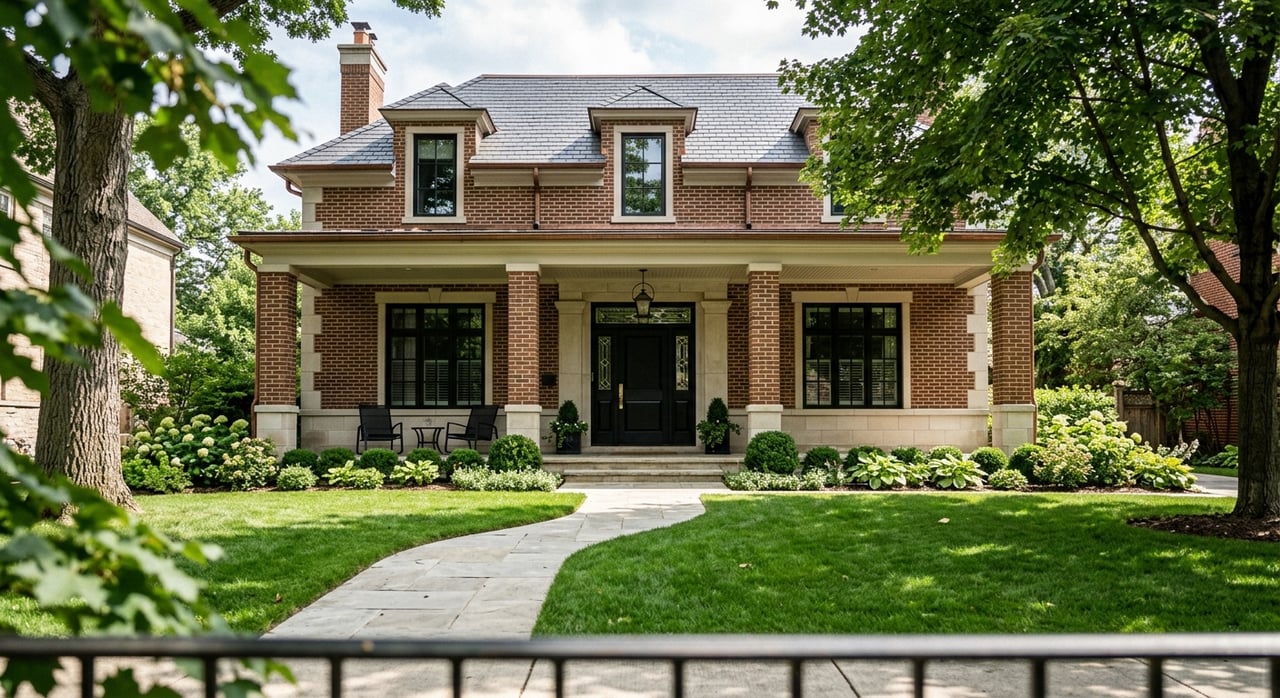
That history matters because the district is not one uniform product type. The National Register nomination describes a mix of revival styles, bungalows, and Prairie-style homes, along with differences in lot sizes and home scale from north to south. In practice, that means your best comparable sale is usually not just any home in 73103. It is a similar-era home on a similar block with similar character and site conditions.
Start With the Right Comparable Sales
In Heritage Hills, comp selection can make or break a pricing strategy. A citywide average or even a ZIP-code average can miss the mark because the district has a wide range of home sizes, lot configurations, architectural styles, and renovation levels.
Recent district sales show just how wide that range can be. In the same historic neighborhood, prices in the sample run from $300,000 to $940,000. That spread is exactly why pricing should begin with the most similar same-block and same-era sales available, then adjust carefully.
Recent Sales Show the Price Range
Here are four recent Heritage Hills sales that help frame the local pricing conversation:
| Address | Sale Date | Sale Price | Size | Lot Size | Key Notes |
|---|---|---|---|---|---|
| 217 NW 21st St | Feb. 27, 2025 | $300,000 | 1,520 sq ft | 7,501 sq ft | 1918 bungalow, smaller scale, likely more updating potential |
| 316 NW 21st St | Jun. 18, 2025 | $620,000 | 2,200 sq ft | 7,501 sq ft | 1919 home, remodeled kitchen, 2021 roof, original fireplaces and built-ins |
| 201 NW 20th St | Feb. 10, 2026 | $869,000 | 2,497 sq ft | 8,999 sq ft | 1918 home, larger lot, 2020 roof, tankless hot water |
| 208 NW 19th St | May 4, 2026 | $940,000 | about 2,700 to 2,800 sq ft | 8,520 sq ft | 1918 home, larger scale, renovated in 2010 |
These sales suggest a sample range of roughly $197 to $348 per square foot. That does not mean you should price your home by multiplying square footage by a neighborhood average. It means square footage is only one part of the story.
Focus on Architectural Integrity
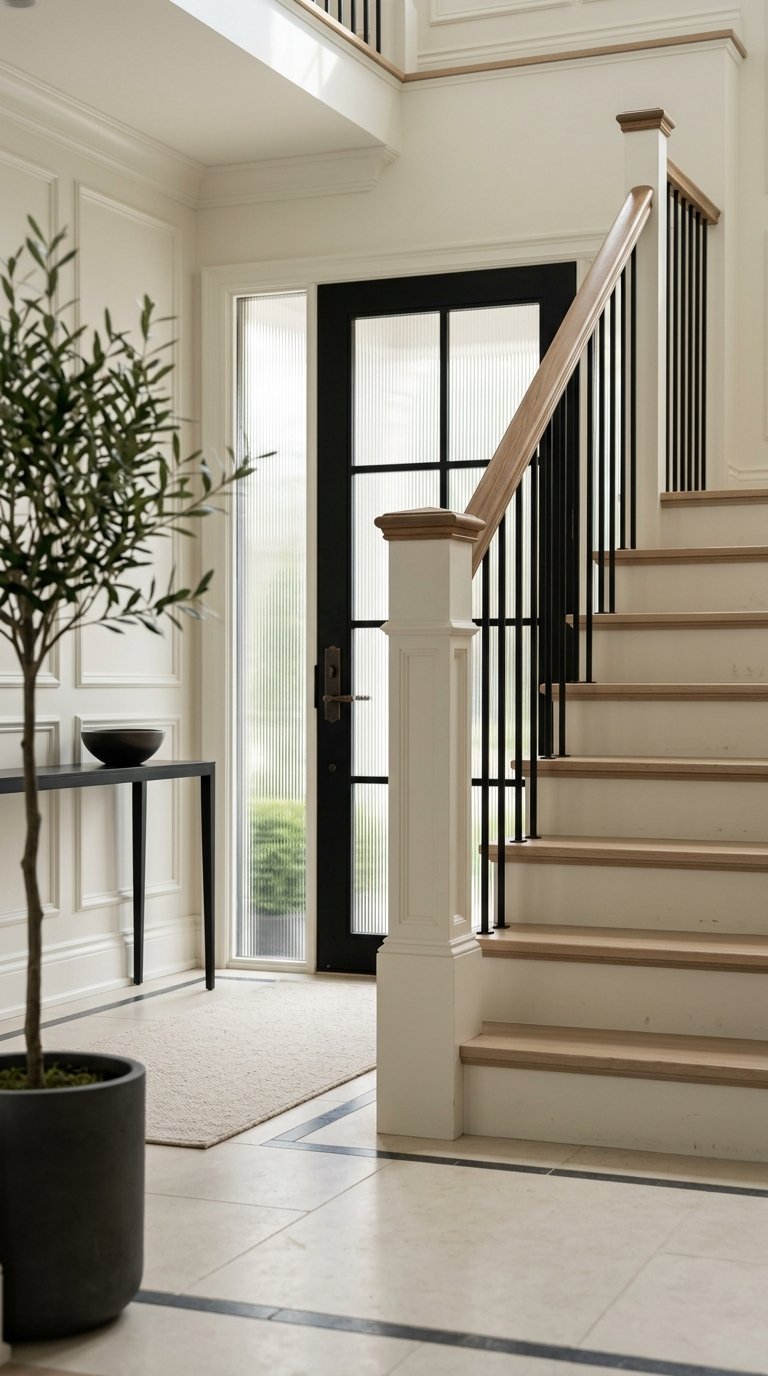
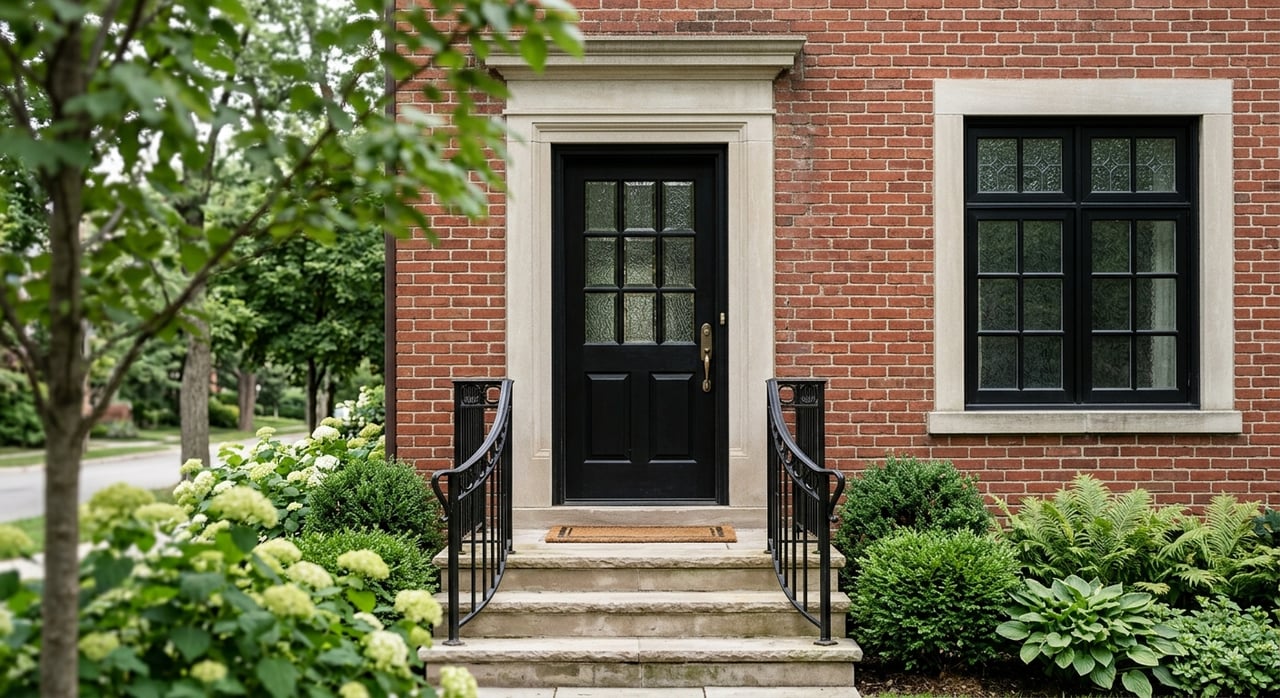
Historic homes often earn their strongest value when original character is still intact. In Heritage Hills, buyers appear to respond to details like original fireplaces, built-ins, front porches, and overall architectural authenticity.
That does not mean a home has to be untouched to command a premium. It means the updates should support the home’s style instead of fighting it. A well-preserved historic house with thoughtful modernization often stands out more than a heavily altered home with generic finishes.
Block Fit Matters Too
A house should also be priced in the context of its immediate surroundings. The district includes larger, more substantial homes and parcels in the south, while the north includes smaller frame homes on single lots.
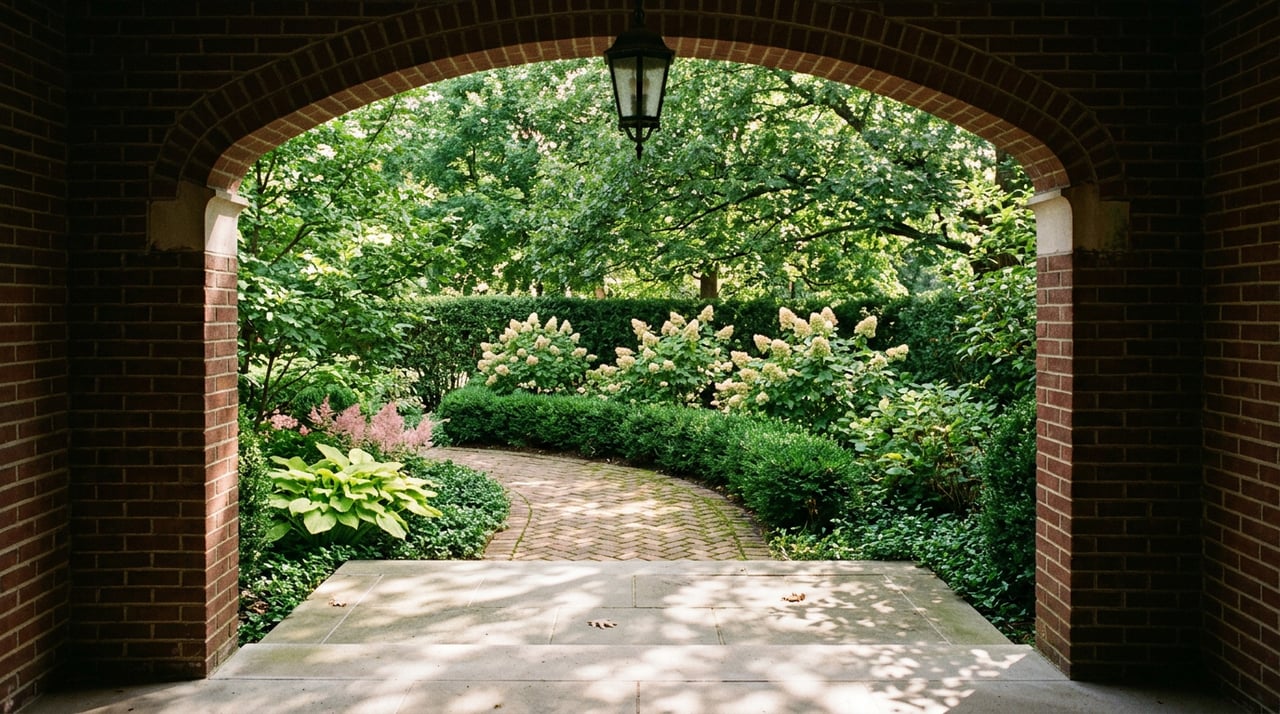
Setbacks, mature trees, sidewalks, and boulevards also shape the visual unity of Heritage Hills. So when you look at market value, buyers are not just evaluating your house. They are evaluating how your home fits its block and how that setting supports the overall experience of the property.
Separate Cosmetic Updates From System Work
One of the most common pricing mistakes is treating all updates as equal. In Heritage Hills, the market appears to reward two things at once: preserved historic character and completed big-ticket improvements.
That means a fresh paint color or trendy light fixture is not the same as a newer roof, updated mechanicals, or a meaningful renovation. Recent sales reflect that pattern. For example, 316 NW 21st St had a remodeled kitchen and a 2021 roof, while 201 NW 20th St featured a 2020 roof and tankless hot water, and 208 NW 19th St had the benefit of a prior renovation.
What Sellers Should Highlight
When you prepare a historic home for pricing, it helps to separate updates into categories:
- Character features such as original millwork, fireplaces, built-ins, windows, porches, and period details
- System upgrades such as roof replacement, plumbing, HVAC, electrical, and water heater improvements
- Lifestyle updates such as kitchen and bath renovations that improve daily livability
- Exterior work that supports curb appeal and preservation compatibility
This kind of breakdown helps buyers understand where value lives in the property. It also helps you avoid overpricing based on cosmetic work alone.
Lot Size Can Shift Value Fast
In Heritage Hills, lot quality can be just as important as interior space. The district’s historic pattern includes larger parcels in some sections, especially farther south, and recent higher-end sales in the sample sat on lots of roughly 8,500 to 9,000 square feet.
That matters because buyers may pay more for a larger lot, a better siting position, or a stronger sense of presence on the street. If your home has a deeper lot, more usable outdoor space, or a more prominent setting, those features may support pricing beyond simple square footage comparisons.
Historic Review Can Affect Pricing Strategy
In Oklahoma City historic-preservation zones, changes to buildings, demolitions, and new construction require a Certificate of Approval from the City of Oklahoma City. For sellers, that means exterior condition and preservation compatibility can influence how buyers view future cost, timing, and flexibility.
If you are planning exterior work before listing, it is smart to verify whether city review is required before treating that work as a guaranteed value-add. In a historic district, not every improvement moves at the same speed or carries the same market impact.
Read the Current Market Pace Carefully
Pricing a Heritage Hills home is not just about the house. It is also about timing and market pace. Redfin currently describes Heritage Hills as somewhat competitive, with homes selling in about 17 days and averaging about 1% below list.
That is a stronger pace than the broader 73103 market, where the median sale price is $675,000, average days on market are about 25, and the sale-to-list ratio is 95.4%. The broader Oklahoma City metro also operates at a very different price level, with OKCMAR reporting a 2025 median sale price of $262,900 and average list-price received of 97.8%.
What That Means for Your Price
The key takeaway is simple: Heritage Hills should be priced as Heritage Hills. Pulling in metro-wide averages or broad ZIP-code numbers may blur the true opportunity.
At the same time, a strong neighborhood does not mean every list price will be validated. Buyers in this price band tend to notice detail, condition, and block-level differences quickly. A disciplined price still matters.
Use a Pricing Range, Not One Dream Number
Because Heritage Hills has such a varied housing stock, pricing works better as a range than a single aspirational figure. That range should reflect your home’s era, block, lot, level of preservation, and renovation scope.
A range also creates room for strategy. It helps you test whether your home belongs closer to the lower, middle, or upper tier of the district based on actual evidence, not emotion. For many sellers, that is the shift that turns pricing from stressful to practical.
A Simple Heritage Hills Pricing Framework
If you want a clear starting point, use this sequence:
- Identify the most similar same-era, same-block, or nearby-block sales.
- Compare lot size, siting, and street presence.
- Evaluate architectural integrity and preservation quality.
- Separate cosmetic work from major system upgrades.
- Review current market pace and recent sale-to-list behavior.
- Set a realistic pricing range instead of one top-heavy number.
This approach respects how buyers actually shop in a historic district. It also gives you a stronger position when your home hits the market.
Why Local Expertise Matters
A historic home is not a commodity listing. It is a niche product with a story, and that story needs to be matched to the right pricing logic.
That is where neighborhood mastery matters. In a place like Heritage Hills, thoughtful pricing is not just about spreadsheets. It is about understanding what buyers value on one street versus another, how preservation shapes perception, and which updates truly move the needle.
If you are considering a sale, a tailored pricing conversation can help you protect value, avoid stale time on market, and position your home for the right audience from day one. To request a private listing consultation, connect with Darian Woolbright Real Estate.
FAQs
How should you price a historic home in Heritage Hills, Oklahoma City?
- Start with recent same-era and same-block sales when possible, then adjust for lot size, renovation level, architectural integrity, and current market pace within Heritage Hills.
Why are Heritage Hills home prices so different from one another?
- Heritage Hills includes a wide mix of home styles, sizes, lot types, and renovation levels, so prices can vary significantly even within the same historic district.
Do renovations increase historic home value in Heritage Hills?
- Renovations can support a higher price when they preserve historic character and include meaningful system upgrades like roofs, mechanicals, or major kitchen and bath improvements.
Does lot size matter when pricing a Heritage Hills house?
- Yes. Larger or better-sited lots can influence value in Heritage Hills just as much as interior square footage, especially in areas with more substantial homes and parcels.
Do you need city approval for exterior changes in Heritage Hills?
- In Oklahoma City historic-preservation zones, changes to buildings, demolitions, and new construction require a Certificate of Approval, so planned exterior work should be reviewed before you count it as a pricing advantage.
Is Heritage Hills stronger than the broader 73103 market?
- Current data in the research sample shows Heritage Hills moving faster than the broader 73103 market, with homes selling in about 17 days and averaging about 1% below list.