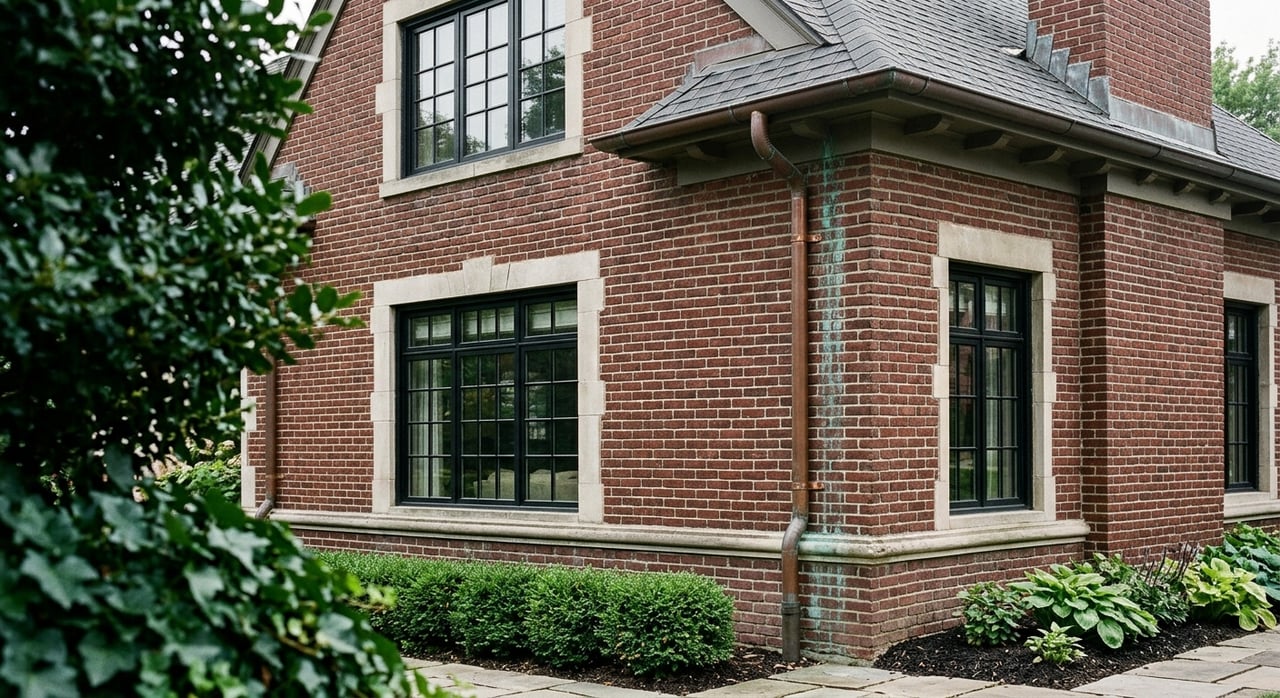
Thinking about buying your first historic home in Oklahoma City? Mesta Park can be an exciting place to start, but it asks something different from buyers than a newer neighborhood would. If you love architectural character, central location, and the idea of owning a home with a real story, this guide will help you understand what living in Mesta Park may actually involve. Let’s dive in.
Why Mesta Park draws first-time historic buyers
Mesta Park sits in central Oklahoma City, generally between Western Avenue and Walker Avenue, and between NW 16th Street and NW 22nd Street, with a small extension east along 22nd to Robinson. It is listed on the National Register of Historic Places and is also a Historic Preservation District designated by the City of Oklahoma City. That historic status is a big part of the neighborhood’s appeal.
For many buyers, Mesta Park offers something hard to find in newer areas: a sense of place. The neighborhood was platted in 1902 and developed largely from 1906 to 1930, so its homes reflect a distinct early-20th-century character. If you want charm, mature streetscapes, and architecture that feels collected over time, Mesta Park stands out.
It also offers practical everyday appeal. The neighborhood includes Perle Mesta Park, and the neighborhood association hosts events like Mesta Festa and the Holiday Home Tour. The association also states that it is not an HOA, is not regulatory in nature, and dues are not mandatory.
What kind of homes you can expect
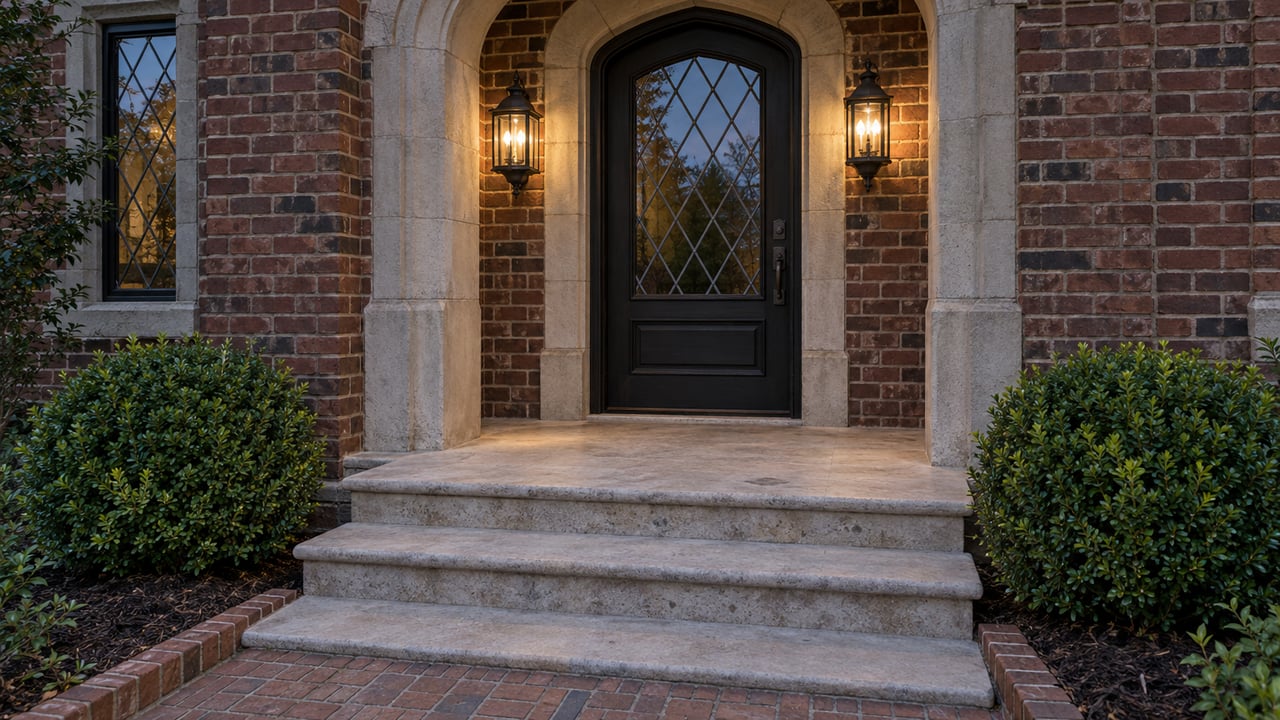
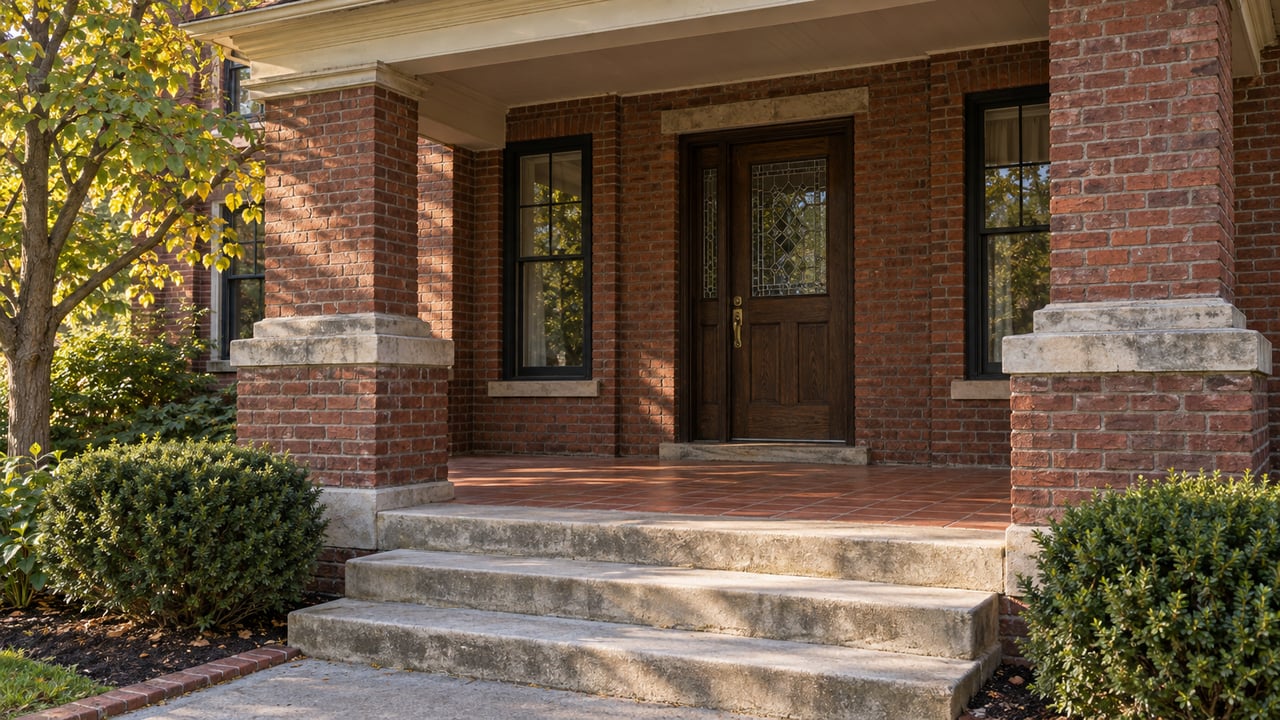
Mesta Park is not a one-style neighborhood. Its documented history points to Prairie, Foursquare, Craftsman, and related early-20th-century home styles. That variety can be a real advantage if you want historic character without every house feeling the same.
As a first-time historic-home buyer, this matters because you may see major differences from one property to the next. Floor plans, porches, windows, rooflines, and exterior materials can vary a lot, even within a few blocks. The neighborhood feels cohesive, but the homes themselves can offer very different ownership experiences.
You should also expect original details to matter. Based on the City of Oklahoma City’s historic-preservation application materials, features like windows, siding, roofs, fences, yard elements, additions, and exterior finishes are central to how homes in the district are reviewed. In other words, the parts that give these homes their character are often the same parts that need the most thoughtful care.
Why historic-district rules matter early
If you are buying in Mesta Park, historic-district status is not just background information. It can affect what you are allowed to change on the exterior of the home. Oklahoma City states that changes to buildings, demolitions, and new construction in historic-preservation zones require a city-issued certificate of approval or appropriateness.
That means you should not wait until after closing to learn the rules. If you already know you want to replace windows, build an addition, change siding, alter a fence, or modify roof features, you need to understand the review process before you commit. The city also encourages applicants to review standards and speak with historic-preservation staff before submitting a project.
For many buyers, this is not a downside. It is part of what helps preserve the neighborhood’s look and long-term identity. But if you want complete freedom to make quick exterior changes without review, Mesta Park may feel restrictive.
Why windows deserve special attention
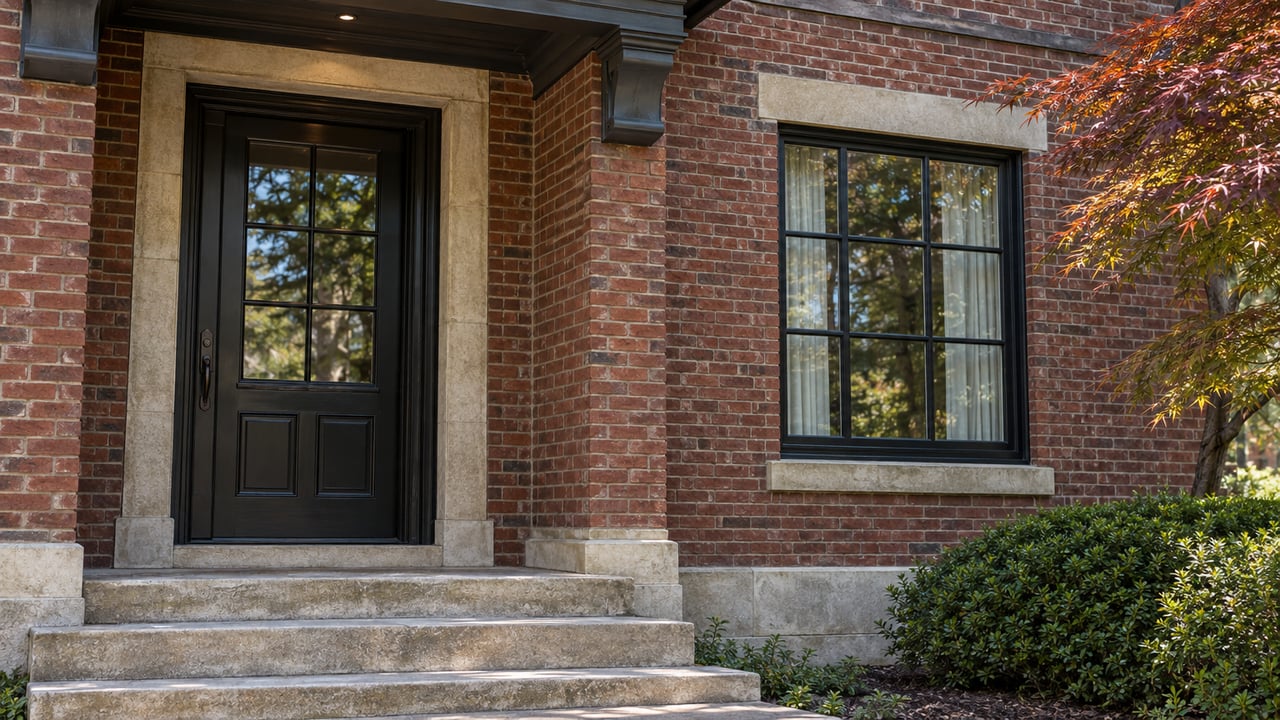
Windows are one of the clearest examples of how historic ownership works differently. The City of Oklahoma City’s preservation packet encourages owners to repair and retain existing historic windows. If replacement is proposed, the city requires proof that the original windows are beyond repair or are non-historic, along with detailed drawings and product information.
That tells you two important things as a buyer. First, original windows may be a meaningful part of the home’s historic value. Second, window decisions can involve more time, documentation, and planning than buyers often expect.
The National Park Service also recommends a window-by-window inspection, with photos and a schedule to help determine whether repair or replacement makes more sense. For a first historic home, that is smart advice. A beautiful set of old windows may also come with maintenance needs, draft issues, or repair costs that should be understood clearly before you buy.
Inspections that matter more in Mesta Park
A standard home inspection is important, but it may not be enough for a first historic home in Mesta Park. Because many homes in the neighborhood date to the early 20th century, you should verify the year built for the specific property and prepare for age-related issues that are less common in newer homes.
One key example is lead-based paint. The EPA states that homes built before 1978 are much more likely to have lead-based paint, and renovation activities like sanding, cutting, or replacing windows can create hazardous lead dust. The EPA also states that lead-based paint disclosures are required before a buyer is obligated under contract, and buyers may have a 10-day window for inspection or risk assessment unless that right is waived.
Beyond lead, your due diligence should focus closely on exterior systems and moisture management. National Park Service guidance highlights the importance of inspecting roofing, flashing, gutters, downspouts, cracks around windows and doors, caulking, repointing needs, and overall masonry condition. In an older home, small exterior issues can turn into larger repair costs if water is getting in where it should not.
A practical historic-home checklist
Before closing on a Mesta Park home, it helps to look closely at:
- Roof condition
- Flashing details
- Gutters and downspouts
- Site drainage
- Masonry condition
- Paint condition
- Window function and repair needs
- Signs of moisture intrusion
- Any planned exterior project that may need city review
This kind of checklist can help you move from “I love this house” to “I understand this house.” That is a much better place to be when you are buying your first historic property.
What maintenance usually looks like
The biggest adjustment for many first-time historic-home buyers is not style. It is maintenance. Historic-home ownership often requires a preserve-first mindset, which is different from the replace-first mindset common in newer homes.
The National Park Service explains that preservation emphasizes protection, maintenance, and repair of historic materials and features, while minimizing replacement. In practical terms, that means you should expect regular upkeep to be part of the ownership experience. A historic home can be deeply rewarding, but it is rarely set-it-and-forget-it.
That is especially true for exterior care. National Park Service guidance recommends keeping gutters and downspouts in good repair, inspecting roofing at least annually, avoiding moisture-trapping treatments on masonry, and trimming vegetation away from the house. These are not glamorous line items, but they can protect both the home and your budget.
A realistic first-year mindset
If you buy in Mesta Park, it is wise to plan for recurring maintenance rather than assuming every issue was solved before you moved in. A sensible first-year budget may need room for:
- Roof and gutter work
- Paint and caulk touch-ups
- Masonry repairs or repointing
- Window repair or weatherization
- Drainage improvements
This does not mean every house will need all of these items at once. It means older homes tend to reward steady attention.
Is Mesta Park a good fit for you?
Mesta Park may be a strong fit if you want a home with architectural personality, appreciate historic surroundings, and are comfortable with ongoing care. It can also be a great choice if you value a neighborhood with documented history, community events, and a central Oklahoma City location.
It may be a weaker fit if you want low-maintenance living or expect to make major exterior changes quickly and casually. Historic-district review and preservation-minded upkeep are part of the ownership experience here. That is not a flaw. It is part of the tradeoff that comes with living in one of Oklahoma City’s most established historic neighborhoods.
For the right buyer, that tradeoff is worth it. Mesta Park offers something many neighborhoods cannot: a chance to own a home that feels distinctive, lasting, and connected to the story of the city.
If you are weighing whether Mesta Park is the right setting for your first historic home, working with someone who understands the neighborhood can make the process much clearer. For a tailored conversation about buying or selling in OKC’s historic neighborhoods, request a private consultation with Darian Woolbright Real Estate.
FAQs
Is Mesta Park a historic district in Oklahoma City?
- Yes. Mesta Park is listed on the National Register of Historic Places and is designated as a Historic Preservation District by the City of Oklahoma City.
What home styles are common in Mesta Park?
- Mesta Park includes early-20th-century styles such as Prairie, Foursquare, Craftsman, and related historic designs.
Do exterior changes in Mesta Park require city approval?
- Yes. Oklahoma City states that certain exterior changes, demolitions, and new construction in historic-preservation zones require a certificate of approval or appropriateness.
Why are windows such a big issue in Mesta Park historic homes?
- The city encourages owners to repair and retain historic windows, and replacement proposals may require proof, drawings, and product specifications.
What inspections matter most when buying a historic home in Mesta Park?
- In addition to a general inspection, buyers should pay close attention to lead-based paint risk, roofing, drainage, masonry, paint, moisture issues, and window condition.
Is Mesta Park a good choice for a first historic home?
- It can be, especially if you value character and are ready for ongoing maintenance and historic-district guidelines.