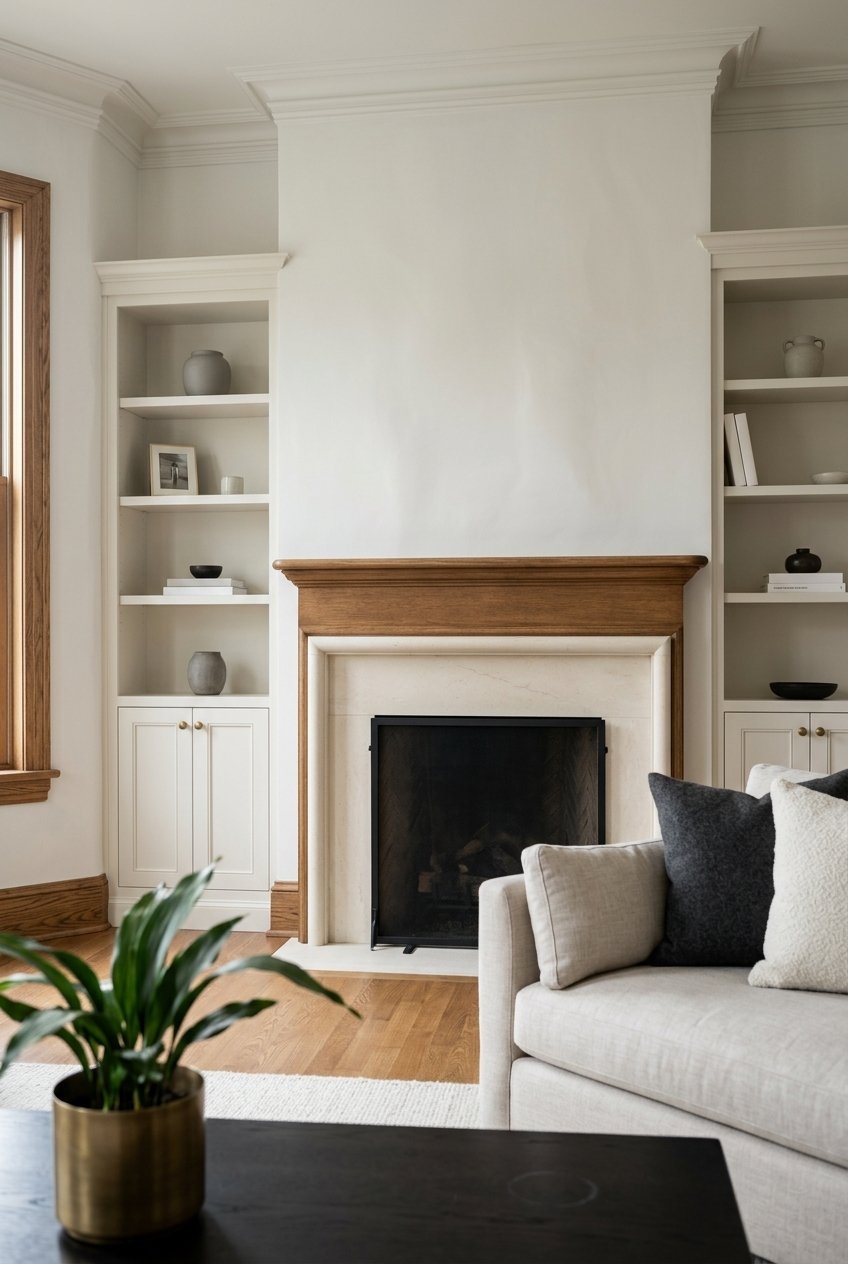
If you own a home in Heritage Hills, you already know the architecture is the story. The challenge is showing that story in a way that feels polished, current, and welcoming without covering up what makes the home special in the first place. The right staging helps buyers see both the history and the lifestyle, and that balance matters in one of Oklahoma City’s most preservation-minded neighborhoods. Let’s dive in.
Why Heritage Hills staging is different
Heritage Hills holds a distinct place in Oklahoma City. The neighborhood association describes it as the city’s first Historic Preservation District, and the National Register nomination notes it was the first district in Oklahoma designated by local ordinance as historically significant in 1969.
The area developed mainly from the early 1900s through about 1930, which is a big reason the neighborhood still feels cohesive and architecturally rich. The district is also known for its variety, with revival styles, bungalows, and Prairie-style homes set among mature trees, sidewalks, boulevards, and an irregular street grid.
That context should shape how you prepare your home for the market. In Heritage Hills, the most effective staging usually feels edited and architecture-first, not overly themed or overly trendy.
Lead with original character
In a historic home, the goal is not to distract from original details. It is to make them easier to see.
Historic rehabilitation guidance identifies room proportions, floor plans, built-ins, finishes, doors, trim, fireplaces, mantels, paneling, stairs, and visible period details as character-defining features. The same guidance warns against obscuring fireplaces and alcoves, dividing rooms, lowering ceilings, or stripping out original woodwork.
For sellers, that creates a simple staging rule: edit before you replace. A deep clean, lighter styling, and better furniture placement often do more for a Heritage Hills listing than a dramatic cosmetic overhaul.
Start with a clean visual reset
Before you bring in a single accessory, clear the view. Buyers need to see the room itself, not the contents of the room.
Focus first on the basics:
- Remove extra furniture that blocks windows, fireplaces, and built-ins
- Clear surfaces so trim, plaster walls, and room proportions stand out
- Dust woodwork, light fixtures, vents, and stair details carefully
- Repair small visual distractions when appropriate
- Keep décor simple and intentional rather than full or layered
This approach fits both preservation guidance and buyer behavior. A clean, open room helps people understand scale, flow, and livability faster.
Stage the entry and staircase carefully
The first few steps into the house matter. In many Heritage Hills homes, the entry hall and stair sequence help define the entire interior.
Preservation guidance recommends retaining stairs in their historic configuration and avoiding changes that subdivide character-defining spaces. In practical terms, that means your entry should feel open, not crowded.
A simple runner, minimal console styling, and a clear path into the home often work best. If the staircase is a visual feature, let it breathe so it can do its job in person and in photos.
Make the living room about the architecture
The living room is one of the most important rooms to stage. According to the National Association of Realtors 2025 staging data, it is the most commonly staged room, and buyers’ agents report that staging helps buyers visualize a future home.
In a Heritage Hills property, the living room should usually be arranged around the original focal point. That might be a fireplace, built-in shelving, a main window wall, or detailed millwork.
Keep furniture scaled to the room. If pieces are too bulky, they can make generous historic rooms feel tighter and can hide trim lines, mantel details, or sightlines across the space.
Living room ideas that work
- Float seating to frame the fireplace instead of covering it
- Use fewer, larger pieces instead of many small items
- Choose calm, neutral textiles that do not compete with wood tones
- Keep coffee table styling light and low
- Leave enough open space to show circulation and room proportions
Keep the dining room polished but simple
Dining rooms still matter in listing presentation. NAR’s 2025 report shows dining rooms are staged in 69% of seller listings, which makes them an important marketing space.
In a historic home, the dining room often includes moldings, wainscoting, plaster details, built-ins, or a strong central light fixture. Those features should stay visible.
A restrained setup usually works best. A table, a few chairs, and minimal center styling can make the room feel usable without pushing it into a formal or overdesigned look.
Let the kitchen feel clean and functional
In Heritage Hills, buyers often understand that historic homes balance charm with modern living. Your kitchen staging should support that balance.
Historic preservation guidance favors protecting character-defining materials and respecting original room proportions. That means the kitchen should read as clean, functional, and thoughtfully maintained, not packed with props or staged to imitate a new-build aesthetic.
Clear counters make a big difference here. Buyers should be able to see cabinetry lines, openings, finishes, and how the room actually functions.
Kitchen staging priorities
- Remove small appliances when possible
- Keep counters mostly clear
- Use one or two simple accents at most
- Make finishes look consistent and well cared for
- Avoid oversized bowls, signs, or decorative clutter
Calm down the primary bedroom and baths
Primary bedrooms are staged in 83% of listings in NAR’s 2025 data, so this room deserves real attention. It should feel restful, spacious, and easy to understand.
Low-profile bedding, light layers, and limited accessories help buyers focus on ceiling height, windows, trim, and natural light. Historic bedrooms often have beautiful proportions, and simple staging helps those proportions show up.
Bathrooms should be especially clean and photo-ready. Remove daily-use items, simplify surfaces, and keep towels and accessories minimal so the room reads fresh and orderly.
Use the porch and exterior to support the story
Heritage Hills is not just about the house. The streetscape is part of the appeal.
The National Register nomination highlights the neighborhood’s mature trees, sidewalks, boulevards, and distinctive street pattern. That means your exterior presentation should feel connected to the setting instead of competing with it.
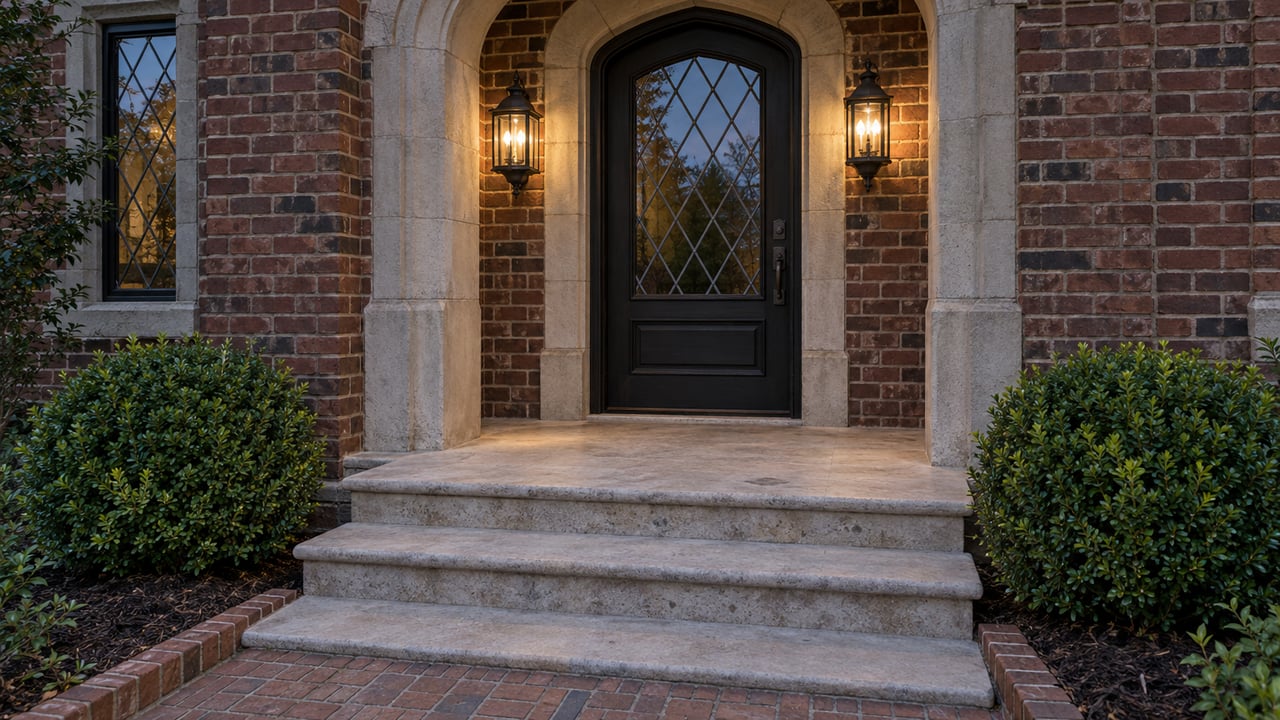
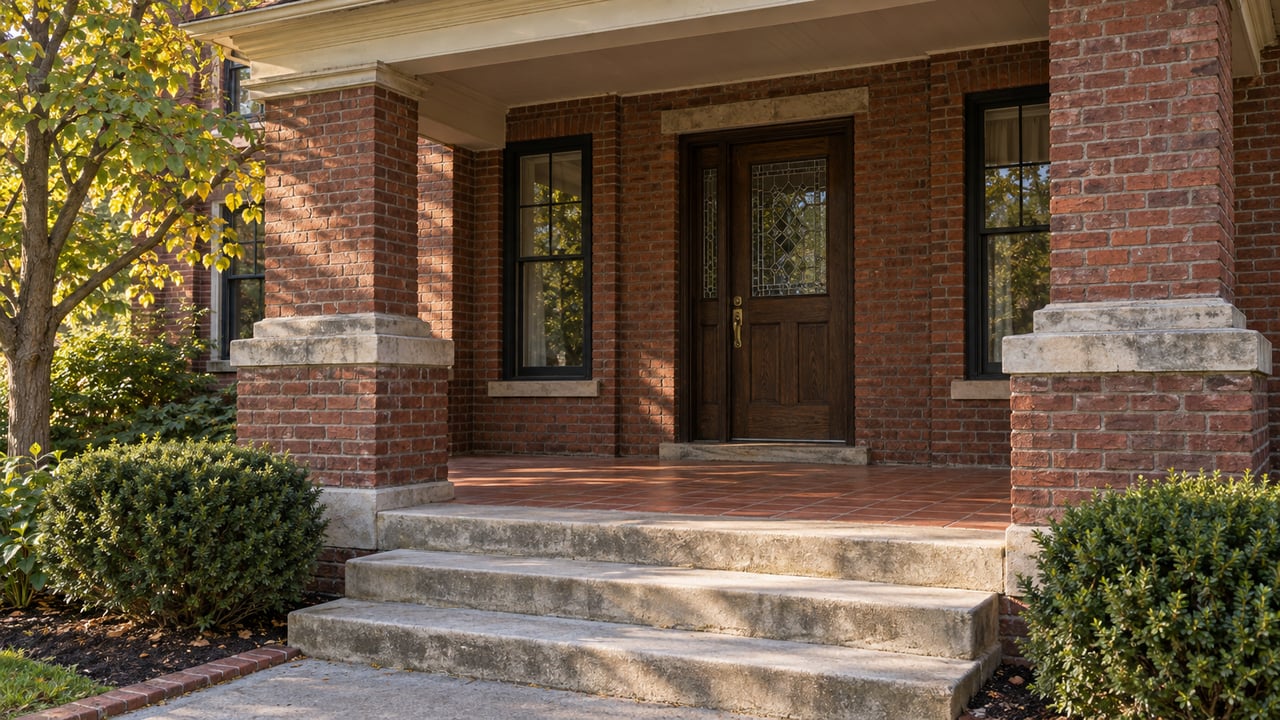
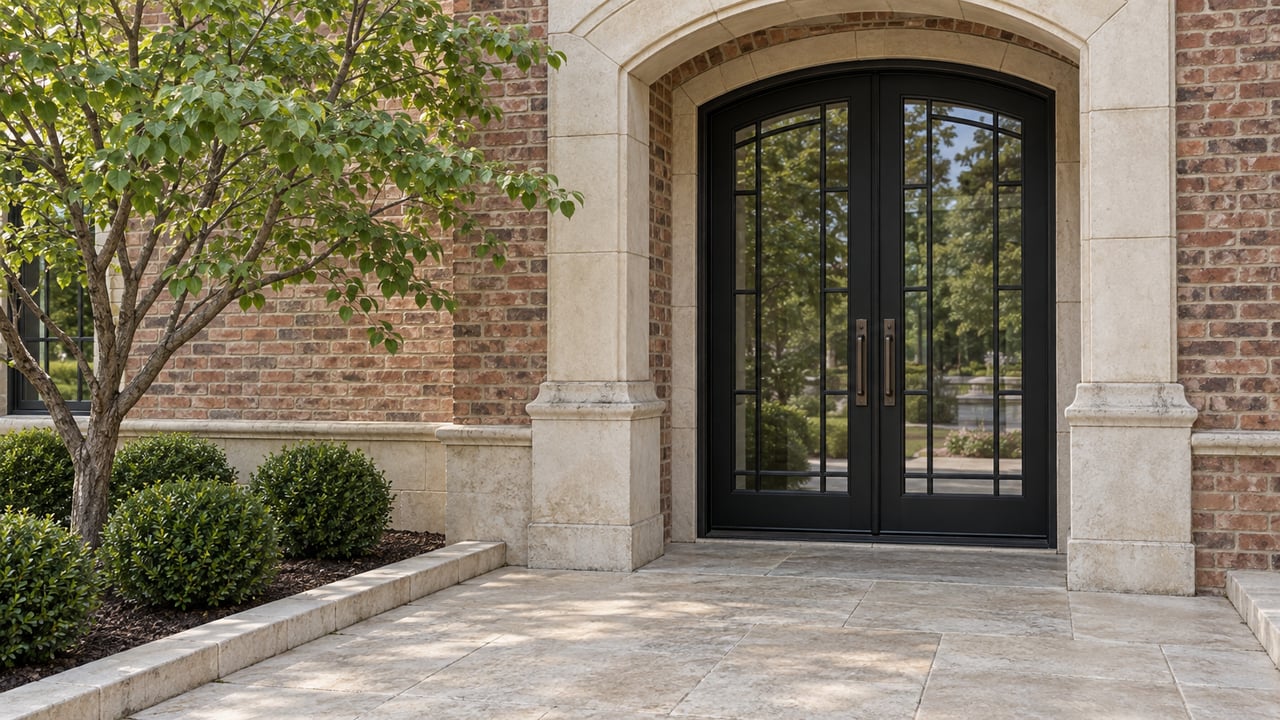
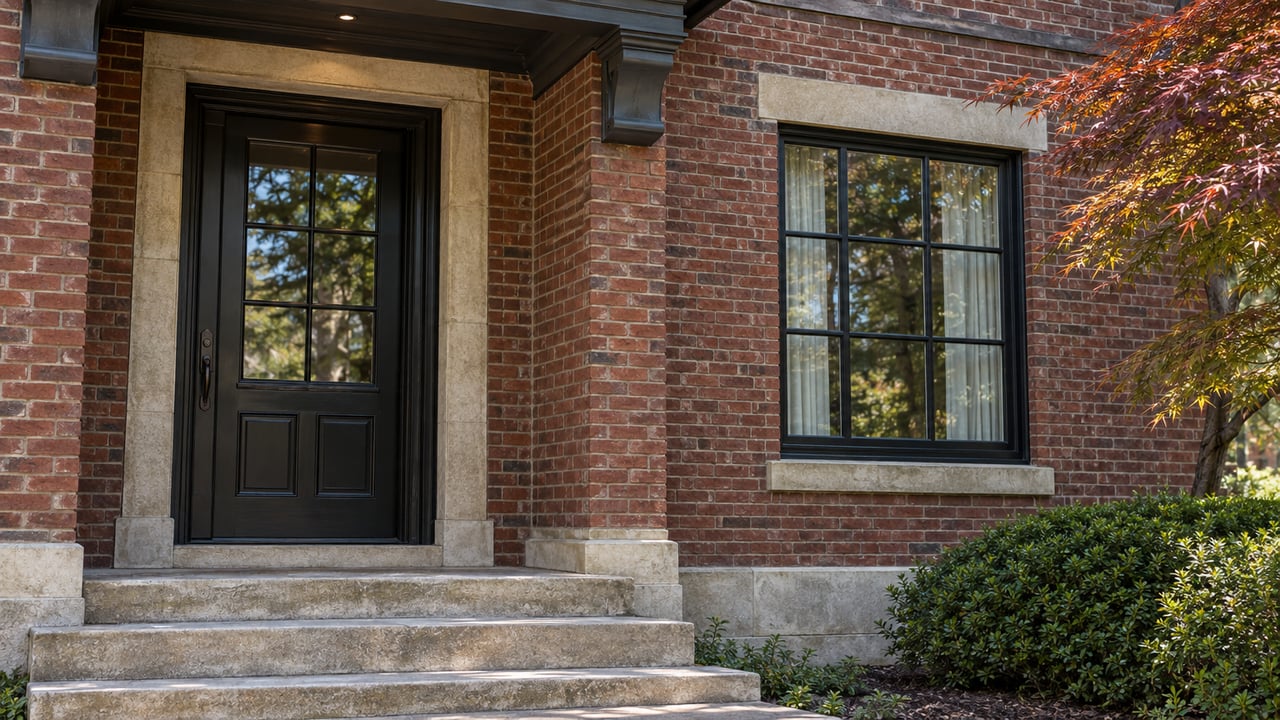
A clean porch, trimmed landscaping, and a clear front walk can strengthen the home’s first impression. If you are considering exterior updates before listing, remember that Oklahoma City says changes, demolitions, and new construction in historic preservation zones require a Certificate of Approval from the Historic Preservation Commission or Planning Department staff.
Exterior details worth prioritizing
- Sweep porches and walks thoroughly
- Refresh planters only if they suit the home’s style
- Trim landscaping to reveal the entry and architectural lines
- Keep porch furniture minimal and scaled appropriately
- Make sure the front door area looks crisp and cared for
Avoid staging choices that fight the house
Some staging mistakes are common in any listing. In a historic home, they stand out even more.
Try to avoid anything that hides original detail, changes how rooms read, or pulls attention away from the architecture. If a room has strong trim, built-ins, or a fireplace, your staging should support those features, not compete with them.
Common missteps to skip
- Oversized sectionals that block sightlines
- Trend-heavy décor that clashes with historic finishes
- Curtains or furniture that cover windows or trim
- Too many accessories on mantels and built-ins
- Fake period themes that feel theatrical instead of natural
Prepare for photography from day one
Presentation does not stop with in-person staging. It needs to translate online immediately.
NAR’s 2026 visibility guidance says 81% of buyers rated listing photos as the most useful feature in their online search. That makes photography one of the most important parts of your launch strategy.
For a Heritage Hills home, the strongest first image is often the most memorable architectural one. Depending on the property, that may be the exterior, a staircase, a fireplace, or another defining interior feature rather than a generic wide room shot.
Photo prep tips for historic homes
- Clean light fixtures and reflective surfaces carefully
- Use balanced light so rooms look bright but true to life
- Keep bathroom photos tidy and simple
- Avoid cliché props that distract from the home
- Use angles that show proportion honestly
If the property is vacant, virtual staging can help buyers visualize scale and layout. In a historic home, it works best as a supplement, not a substitute, because the true selling point is still the real craftsmanship and original character.
Think preservation-sensitive, not over-improved
Many sellers assume they need to modernize aggressively before listing. In Heritage Hills, that is not always the right move.
Oklahoma City’s historic preservation program emphasizes repair over replacement and calls for in-kind replacement when original features are missing or too deteriorated to save. That is an important reminder for pre-listing prep.
If you are repainting, repairing, refreshing windows, or planning exterior work, approach those decisions with preservation sensitivity. Thoughtful preparation can strengthen market appeal while still respecting the home’s identity and any local review requirements.
The best staging tells a clear story
In Heritage Hills, staging works best when it reveals the home instead of reinventing it. Buyers are often drawn to craftsmanship, room proportions, fireplaces, stairs, trim, and the sense of place that historic homes provide.
When your presentation is clean, intentional, and true to the architecture, the home feels both authentic and market-ready. That is where thoughtful strategy matters most, especially in a neighborhood where presentation, preservation, and storytelling all carry weight.
If you are preparing a Heritage Hills home for the market and want a tailored plan for staging, photography, and launch strategy, request a private listing consultation with Darian Woolbright Real Estate.
FAQs
What staging style works best for Heritage Hills homes?
- The best staging style is usually edited, neutral, and architecture-first so original features like fireplaces, trim, built-ins, stairs, and room proportions stay visible.
What rooms matter most when staging a Heritage Hills listing?
- The living room, primary bedroom, and dining room are especially important because they are commonly staged and help buyers picture how the home lives.
What should sellers avoid when staging a historic Heritage Hills house?
- Avoid oversized furniture, heavy décor, blocked sightlines, and anything that hides character-defining features or makes the home feel overly themed.
What exterior staging steps help a Heritage Hills home stand out?
- Focus on a clean porch, trimmed landscaping, a clear front walk, and an entry presentation that supports the home’s historic architecture and streetscape.
What should Heritage Hills sellers know before making exterior changes?
- Oklahoma City says changes, demolitions, and new construction in historic preservation zones require a Certificate of Approval from the Historic Preservation Commission or Planning Department staff.
Why are listing photos so important for Heritage Hills real estate?
- Listing photos matter because many buyers rely on them early in their search, and strong images can highlight the architectural features that make a historic home memorable.